How My Hobby Became My Healthiest Habit
For years, I chased quick fixes—diets, supplements, intense workouts—but nothing stuck. Then I realized something unexpected: the secret to lasting health wasn’t in restriction, but in joy. I started cooking as a hobby, not a chore, and over time, my relationship with food transformed. It wasn’t about rules; it was about curiosity, creativity, and consistency. This shift didn’t just change my meals—it changed my life. What began as a simple attempt to make dinner more enjoyable evolved into a powerful, sustainable path to better health. And the most surprising part? I didn’t even realize I was building habits that would support my well-being for years to come.
The Burnout of Traditional Dieting
Countless women in their 30s, 40s, and 50s have experienced the cycle of starting a new diet with hope, only to feel defeated weeks later. The pattern is familiar: restrictive meal plans, calorie counting, and eliminating entire food groups promise dramatic results, but often deliver frustration. These approaches rely heavily on willpower, a resource that, like energy, depletes over time. When life gets busy—children need attention, work demands increase, or unexpected stress arises—the rigid structure of a diet is usually the first thing to collapse. This isn’t a personal failure; it’s a flaw in the system. Research consistently shows that 80% or more of people who lose weight through dieting regain it within a few years, often adding more back. The body also responds to restriction by slowing metabolism and increasing hunger hormones, making long-term success biologically challenging.
The emotional toll is just as significant. Labeling foods as “good” or “bad” fosters guilt and shame when one eats something deemed “off-limits.” This black-and-white thinking turns meals into moral tests, where enjoying a slice of bread or a piece of dark chocolate feels like a failure. Over time, this mindset damages one’s relationship with food and can contribute to disordered eating patterns. What many don’t realize is that diets are designed for short-term results, not lifelong health. They focus on external outcomes—how you look—rather than internal well-being—how you feel. And when the focus is solely on weight, other important markers like energy levels, digestion, sleep quality, and emotional balance are often overlooked.
Instead of asking, “What can I cut out?” a more sustainable question is, “What can I add in?” This subtle shift changes the entire framework of healthy eating. Rather than deprivation, it becomes enrichment. Adding nutrient-dense foods, joyful movement, and mindful practices supports the body without triggering resistance. The key is to make health enjoyable, not punitive. When people find pleasure in the process—whether it’s savoring a colorful salad they made themselves or feeling energized after a walk in nature—they’re more likely to continue. Lasting change isn’t fueled by discipline alone; it’s sustained by satisfaction. And that’s where hobbies come in.
Why Hobbies Hold the Key to Long-Term Health
Hobbies are uniquely positioned to support lasting health because they engage the mind and body in a way that feels natural, not forced. Unlike diets, which often rely on external rules, hobbies are driven by internal motivation—curiosity, creativity, and the joy of doing. When an activity becomes something you look forward to, repetition happens effortlessly. This is the foundation of habit formation. Neuroscience shows that when we engage in enjoyable, repetitive tasks, the brain releases dopamine, a neurotransmitter associated with reward and learning. This creates a positive feedback loop: the more you enjoy the activity, the more likely you are to repeat it, reinforcing the behavior over time.
Food-related hobbies, in particular, offer a direct pathway to better eating habits. Cooking, gardening, fermenting, or baking aren’t just pastimes—they’re acts of nourishment. They connect us to the source of our food, deepen our understanding of ingredients, and encourage us to slow down in a fast-paced world. When people grow their own herbs, they’re more likely to use them in meals. When they ferment vegetables, they naturally increase their intake of probiotics, which support gut health. These actions aren’t driven by a goal to “eat clean” or “lose weight”; they’re byproducts of engagement. The health benefits emerge organically from the process itself.
Moreover, hobbies cultivate patience and presence. In a culture that values speed and instant results, tending to a sourdough starter or waiting for tomatoes to ripen on the vine teaches us to appreciate gradual progress. This mindset shift is powerful. It moves us away from the all-or-nothing thinking that derails so many health efforts and toward a more compassionate, sustainable approach. Instead of asking, “Did I stick to my plan today?” we begin to ask, “What did I learn? What did I enjoy?” This gentle curiosity reduces pressure and increases resilience. When health becomes part of a meaningful activity, it’s no longer a chore—it’s a form of self-care.
Cooking as a Gateway to Better Eating
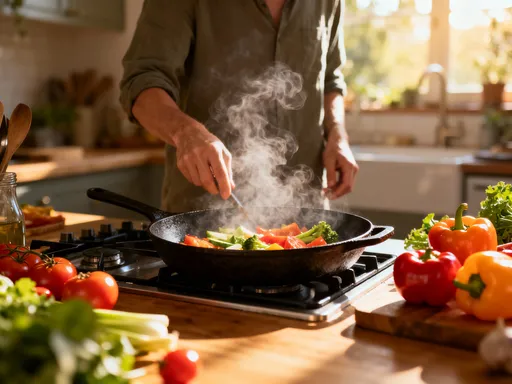
For many, cooking is seen as a necessary task, not a source of joy. But when approached as a creative practice, it transforms into something far more nourishing than just preparing meals. One woman, a busy mother of two in her early 40s, began experimenting with simple recipes on weekends. She started with one-pot dishes—vegetable stews, grain bowls, and roasted sheet-pan meals—that required minimal cleanup. At first, it was just about saving time during the week. But over time, she noticed something unexpected: she was choosing fresher ingredients, adding more vegetables, and feeling more satisfied after meals. Her digestion improved, and she no longer experienced the afternoon energy crashes that used to plague her workdays.
The reason is simple: when you cook, you have control. You decide what goes into your food—how much salt, sugar, or oil. You avoid the hidden additives and preservatives common in processed meals. But beyond the nutritional advantages, cooking fosters mindfulness. The act of chopping vegetables, stirring a simmering pot, or smelling herbs as they heat in oil engages the senses and grounds you in the present moment. This sensory awareness extends to eating. People who cook regularly tend to eat more slowly, savor their food, and recognize when they’re full—key components of intuitive eating.
Starting small is essential. You don’t need to master complex techniques or spend hours in the kitchen. Begin with one new recipe a week. Try a simple pasta dish with garlic, olive oil, and fresh tomatoes. Or make a hearty lentil soup that yields leftovers for days. Meal prepping on weekends can reduce weekday stress and prevent last-minute takeout decisions. Over time, confidence grows. What once felt like a chore becomes a ritual—a moment of calm in a busy day. And as skills improve, so do the health benefits. Cooking encourages variety, which means a wider range of nutrients. It also makes healthy eating personal and adaptable to taste, culture, and family needs. This is not about perfection; it’s about progress, one meal at a time.
Beyond the Kitchen: Other Food-Centric Hobbies That Work
While cooking is a powerful entry point, other food-related hobbies offer unique benefits that support long-term health. Gardening, for example, connects people to the earth and the seasons. Growing herbs like basil, mint, or rosemary on a windowsill or in a small backyard plot encourages their use in daily meals. Homegrown produce often tastes better, which makes vegetables more appealing. Studies show that people who grow their own food consume more fruits and vegetables, leading to improved nutrient intake and better overall health. Gardening also provides gentle physical activity and reduces stress—two factors that support heart health and immune function.
Fermenting is another accessible hobby with impressive health benefits. Making sauerkraut, kimchi, or yogurt at home introduces beneficial bacteria into the diet, supporting a healthy gut microbiome. A growing body of research links gut health to immunity, mood regulation, and even cognitive function. Fermentation doesn’t require special equipment—just jars, salt, and time. It’s a low-cost, low-effort way to enhance nutrition while exploring traditional food preservation methods. Similarly, baking sourdough bread has gained popularity not just for its rich flavor but for its digestibility. The fermentation process breaks down gluten and phytic acid, making nutrients more available and the bread easier to digest for many people.
Preserving seasonal produce—through canning, drying, or freezing—helps extend the benefits of fresh food year-round. It reduces reliance on processed alternatives and supports a more sustainable, seasonal diet. These hobbies share a common thread: they slow down the eating process. Instead of grabbing a packaged meal, you’re involved in creating it. This deeper connection fosters appreciation and intentionality. And because these activities are enjoyable, they’re sustainable. You’re not “eating healthy” because you have to; you’re doing it because you love making your own pickles or sharing a jar of homemade jam with a neighbor. Health becomes a natural outcome of a life well-lived.
How to Turn Interest into Routine
Starting a food hobby doesn’t require expertise or a complete lifestyle overhaul. The key is to begin with curiosity, not pressure. Reflect on what interests you. Do you enjoy the aroma of fresh herbs? Consider growing a small indoor garden. Are you fascinated by the science of fermentation? Start with a simple batch of fermented carrots. The goal is not to become a master chef or a homesteader overnight, but to explore and enjoy the process. Set up a small, dedicated space—whether it’s a corner of the kitchen, a windowsill, or a patch of soil in the backyard. Keep tools simple: a few jars, a good knife, a cutting board, and basic ingredients.
Start with one small action per week. Try a new recipe, plant a basil seed, or ferment a quart of cabbage. Track subtle changes, not just weight or measurements. Notice if you have more energy, better digestion, or improved sleep. These are meaningful indicators of health that often go unnoticed in traditional dieting. Use a journal to record what you try, how it makes you feel, and what you’d like to explore next. This builds self-awareness and reinforces positive experiences. Over time, these small actions accumulate into lasting habits.
Motivation should come from enjoyment, not obligation. If a particular hobby feels like a burden, it’s okay to pause or try something else. The goal is sustainability, not perfection. Rotate activities to keep things fresh—bake in the winter, garden in the spring, preserve in the fall. Involving family or friends can also enhance the experience. Cooking with a daughter, sharing a garden harvest with a neighbor, or giving homemade gifts fosters connection and makes the journey more meaningful. When health is tied to joy and relationships, it becomes a lifelong commitment, not a temporary fix.
Navigating Setbacks Without Losing Momentum
Even the most enjoyable habits face challenges. There will be weeks when work is overwhelming, when the sourdough starter is forgotten, or when takeout feels like the only option. These moments are not failures—they’re part of the process. The key is to respond with kindness, not criticism. Instead of thinking, “I fell off track,” reframe it as, “I’m learning what works for me.” A missed cooking session isn’t a sign of weakness; it’s feedback. Maybe the recipe was too time-consuming, or the timing didn’t fit your schedule. Use these experiences to adjust, not abandon.
One effective strategy is to view each attempt as an experiment. If a fermented batch turns out too sour, it’s not ruined—it’s data. What can you adjust next time? Temperature? Salt level? Duration? This mindset removes judgment and fosters curiosity. It also reduces the fear of making mistakes, which often prevents people from trying in the first place. Community support can also help maintain momentum. Joining an online group, attending a local cooking class, or simply sharing your journey with a friend provides encouragement and accountability.
Another way to stay resilient is to rotate hobbies. If cooking feels tedious one month, focus on gardening or trying a new tea-blending practice. Variety prevents burnout and keeps engagement high. Remember, the goal isn’t to do one thing perfectly, but to build a lifestyle that supports well-being in multiple ways. Progress isn’t linear. Some weeks will feel productive; others may feel stagnant. But as long as you return to the practice with compassion, you’re moving forward. Health is not about never slipping up—it’s about how you respond when you do.
The Ripple Effect: How Food Hobbies Improve Overall Well-Being
The benefits of food-centered hobbies extend far beyond nutrition. Engaging in meaningful, hands-on activities has been shown to reduce stress, improve mood, and increase life satisfaction. The act of creating something—whether it’s a loaf of bread, a jar of pickles, or a garden bed—provides a sense of accomplishment and purpose. This is especially valuable for women navigating midlife transitions, caregiving responsibilities, or career changes. These hobbies offer a space for self-expression and personal growth, separate from roles like mother, employee, or partner.
Mental health improves when we engage in activities that require focus and flow. Cooking, gardening, or fermenting can induce a state of mindfulness, where worries about the past or future fade into the background. This mental break is restorative. Studies have found that people who participate in creative or productive leisure activities report lower levels of anxiety and depression. Additionally, the physical aspects—chopping, stirring, planting, harvesting—provide gentle movement that supports circulation, joint health, and overall vitality.
Social connections also deepen through food hobbies. Sharing a meal you’ve prepared, giving homemade gifts, or swapping gardening tips with a neighbor fosters community. These interactions combat isolation and build support networks. Even small acts—like texting a friend a photo of your latest dish—can strengthen relationships. And because these activities often involve sensory pleasure—the smell of rosemary, the color of ripe tomatoes, the sound of bubbling fermentation—they enrich daily life in ways that go beyond physical health. They remind us to slow down, appreciate the moment, and find joy in the ordinary. This holistic approach to well-being is what makes food hobbies so powerful. They don’t just change what you eat; they change how you live.
Sustainable dietary change isn’t about control—it’s about connection. When food becomes a source of joy rather than guilt, healthy choices happen naturally. By embracing hobbies that nourish both body and mind, we build a lifestyle that lasts. This isn’t a diet; it’s a lasting commitment to feeling good, one homemade meal at a time.