Châteaux, Lights, and Magic: Loire’s Festival Fever You Can’t Miss
Imagine wandering through fairy-tale castles bathed in glowing lights, where music floats through vineyard air and every cobblestone tells a story. I recently explored the Loire Valley during festival season, and honestly? It’s pure magic. These celebrations transform historic landscapes into living art—instagram-worthy at every turn. From lantern-lit gardens to open-air performances, the region pulses with culture, charm, and color. The Loire Valley is more than a postcard; it’s a stage where history dances with light, and travelers become part of the performance. This is not just sightseeing—it’s soul-stirring immersion.
The Loire Valley: Where Fairy-Tale Castles Meet Living Culture
Situated in central France, the Loire Valley stretches along the meandering Loire River, a UNESCO World Heritage site celebrated for its harmonious blend of natural beauty and architectural grandeur. With over 300 châteaux dotting its rolling hills, vineyards, and riverbanks, the region stands as a living monument to the Renaissance era, when French nobility turned dreams of elegance into stone and glass. These palaces—Chambord, Chenonceau, Amboise, Azay-le-Rideau—are not relics frozen in time. Instead, they serve as dynamic cultural anchors, breathing life into centuries-old traditions through seasonal festivals that invite visitors to step inside the story.
While many travelers come for quiet daytime tours or wine tastings among the region’s renowned appellations, fewer realize that the Loire transforms after sunset. When darkness falls, the châteaux awaken in unexpected ways. Illuminated façades glow like lanterns, orchestral notes echo through candlelit courtyards, and local artisans fill cobbled squares with handcrafted wares. These events reveal a different side of the valley—one that is vibrant, communal, and deeply rooted in regional identity. The festivals are not mere entertainment; they are acts of cultural preservation, where history is not observed but experienced.
What makes the Loire Valley’s festival scene unique is its ability to merge grandeur with intimacy. Unlike large-scale urban events that can feel impersonal, the celebrations here unfold in human-scale settings. A string quartet performs beneath a vaulted ceiling once graced by royalty. A light projection tells the tale of a forgotten duchess on the very walls she once walked. This connection between place and narrative transforms the visitor from observer to participant. The châteaux are not just backdrops—they are storytellers, and the festivals are their voice.
Why Festival Season Turns the Loire Into a Visual Wonderland
The magic of the Loire Valley during festival season lies in its transformation from a picturesque destination into a multisensory experience. While the châteaux are undeniably beautiful in daylight, it is after dusk that they truly come alive. Seasonal events such as the Fêtes de la Lumière and Les Musicales de Chambre harness light, sound, and space to create moments of awe. These are not simple illuminations; they are carefully choreographed spectacles that use color, movement, and music to reinterpret historical spaces.
Take Château de Chambord, for example. By day, its double-helix staircase and forested estate inspire admiration. By night, during special light festivals, its façade becomes a canvas for dynamic projections that trace the château’s evolution, from royal hunting lodge to national treasure. Golden beams sweep across stone turrets, shadows dance in rhythm with classical compositions, and the surrounding parkland glows with softly lit pathways. The effect is cinematic—yet entirely authentic, rooted in historical research and artistic collaboration.
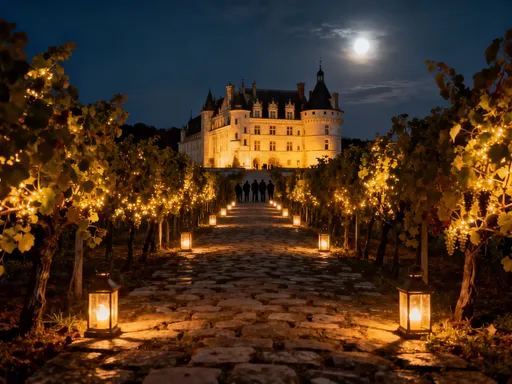
At Château de Chenonceau, which spans the Cher River like a stone ribbon, candlelit gardens create an ethereal atmosphere. Thousands of lanterns line the walkways, their flickering light reflecting off the water and illuminating the arches beneath the gallery. During the annual night-time openings, visitors stroll through perfumed flower beds while musicians perform Baroque pieces in the salons. These moments are not only visually stunning but emotionally resonant—offering a rare chance to experience a monument as it might have felt centuries ago, alive with celebration.
These experiences are inherently instagram-worthy, not because they are staged for social media, but because they are genuinely breathtaking. The contrast between darkness and illumination, the warmth of candlelight against cool stone, and the way crowds naturally pause in collective wonder—all create powerful photographic opportunities. Yet beyond the lens, these festivals offer something deeper: a reminder that beauty is not static, but something that evolves with time, light, and human presence.
Top Festival Experiences: Where Art, Music, and History Collide
The Loire Valley’s festival calendar is rich with events that blend artistic expression with historical context. Among the most celebrated are the nighttime light shows, which have become signature experiences across multiple châteaux. At Château de Blois, the Festival des Lanternes transforms the royal residence into a dreamscape of color and motion. Elaborate lantern installations—some towering over ten feet—depict mythological scenes, local flora, and historical figures, all crafted by skilled artisans. As visitors move through the courtyards and terraces, they encounter illuminated fountains, glowing topiaries, and projections that animate the château’s storied past.
Equally compelling are the classical music festivals hosted within the châteaux’s grand interiors. The Musicales de Chambre d’Amboise, held annually in the Chapelle Saint-Hubert and other historic venues, brings together internationally acclaimed chamber ensembles for intimate performances. The acoustics of these centuries-old spaces enhance the music, creating a listening experience that is both powerful and personal. Audiences sit in hushed reverence as violins echo beneath vaulted ceilings, the same halls where royal courts once gathered for entertainment.
Open-air theater productions add another layer of cultural richness. At Château de Villandry, performances are staged in the moat or garden amphitheater, with actors in period costumes bringing French literature and folklore to life. These productions are accessible to both French and international audiences, often accompanied by translations or visual storytelling that transcends language. Families especially appreciate these events, as children are captivated by the costumes, music, and dramatic settings.
Complementing these large-scale events are local craft markets and gastronomic festivals that celebrate regional heritage. In towns like Saumur and Tours, weekend markets during festival season feature artisanal cheeses, handmade soaps, regional wines, and traditional pastries like tarte Tatin and fouaces. These gatherings are not tourist traps; they are authentic expressions of local life, where farmers, bakers, and craftsmen share their work with pride. Visitors leave not only with souvenirs but with a deeper understanding of the valley’s cultural fabric.
How to Plan Your Visit: Timing, Tickets, and Travel Tips
Planning a trip to the Loire Valley during festival season requires thoughtful preparation, as demand for accommodations and event access increases significantly. The peak festival months are June through September, when weather is mild and daylight extends into the evening, allowing for both daytime exploration and nighttime events. July and August are especially vibrant, hosting multiple overlapping festivals, but they also attract the largest crowds. Travelers seeking a balance between activity and comfort may consider late June or early September, when temperatures are pleasant and lines are shorter.
One of the most important steps is checking official tourism websites—such as Loire Valley Tourism or individual château pages—for up-to-date festival schedules. Events like the Fêtes de la Lumière or the Musicales de Chambre often run for a limited number of nights, and tickets can sell out weeks in advance. Many venues offer timed entry, and some night events have capacity limits for safety and ambiance. Booking early not only secures a spot but also allows for better planning of accommodations and transportation.
When it comes to getting around, the Loire Valley offers several convenient options. Regional trains connect major towns like Tours, Blois, and Orléans, making it possible to visit multiple châteaux without a car. However, renting a bicycle is a particularly rewarding choice, especially in areas like the Loire à Vélo route, which follows scenic paths along the river. Cycling between villages and châteaux allows travelers to experience the landscape at a leisurely pace, stopping at vineyards, bakeries, and quiet viewpoints along the way.
For those who prefer guided convenience, many tour operators offer evening shuttle services to popular festival events, particularly from central towns like Amboise or Blois. These shuttles often include commentary and skip-the-line access, making them ideal for first-time visitors. Staying in a smaller town rather than a major city can enhance the experience—guesthouses and family-run hotels often provide personalized recommendations and a more authentic sense of place. Regardless of the travel method, one rule stands out: always verify event dates before finalizing plans. Nothing disrupts a dream trip more than arriving a week too early or too late.
Hidden Gems: Lesser-Known Festivals Off the Tourist Trail
While the grand châteaux draw international attention, some of the Loire Valley’s most memorable festival moments happen in quiet villages far from the crowds. These smaller events offer a more intimate glimpse into local life, where tradition is not performed for tourists but lived by residents. In the town of Saumur, for instance, the annual wine harvest festival—Fête des Vendanges—brings the community together in celebration of the grape harvest. Streets are decorated with garlands of vines, local winemakers open their cellars for tastings, and children participate in grape-stomping contests. The atmosphere is joyful and unpretentious, a true reflection of rural French culture.
In Azay-le-Rideau, a storytelling evening known as Les Veillées Historiques invites guests to gather in the château’s gardens for tales of medieval legends, Renaissance intrigues, and local folklore. Performed by costumed narrators with live musical accompaniment, these sessions are especially enchanting for families. The low light, soft music, and immersive narratives create a sense of timelessness, as if the past is whispering just beyond the trees.
Another hidden gem is the Festival de Lanternes in the village of Chaumont-sur-Loire, held in conjunction with the renowned Garden Festival. While the daytime focus is on landscape design, the evening events feature illuminated garden installations, where light sculptures blend with flora to create surreal, dreamlike environments. Unlike the larger festivals, this event maintains a peaceful, contemplative mood—perfect for those seeking quiet beauty over spectacle.
These off-the-beaten-path festivals offer more than just novelty; they provide opportunities for genuine connection. Without the pressure of large crowds, visitors can engage with locals, ask questions, and even participate in traditions. A shared toast with a winemaker, a conversation with a lantern artisan, or a simple “bonsoir” exchanged in a village square—these small moments often become the most cherished memories. For travelers seeking authenticity, these events are not just alternatives; they are the heart of the Loire’s cultural soul.
Capturing the Moment: Photography Tips for Festival Magic
For many visitors, the visual splendor of the Loire’s festivals is unforgettable—and worth preserving through photography. While smartphones are more than capable of capturing stunning images, a few simple techniques can elevate the experience. The best time for photography is during the blue hour—the period just after sunset when the sky transitions from daylight to darkness. During this window, the contrast between ambient sky light and artificial illumination is most dramatic, creating rich, balanced exposures without harsh shadows.
At châteaux like Chenonceau or Chambord, reflections in moats or river surfaces add depth and symmetry to compositions. Positioning oneself at a slight angle to the water’s edge can capture both the illuminated façade and its mirror image, doubling the visual impact. Using a tripod or stabilizing the phone against a wall or bench helps prevent blur, especially in low light. For smartphone users, switching to night mode or using a manual camera app with adjustable shutter speed can significantly improve image quality.
Angles matter as much as timing. Rather than shooting straight-on, experiment with side perspectives to emphasize architectural details—arched windows, sculpted gargoyles, or illuminated staircases. Capturing people in the frame can also add scale and emotion. A child’s upturned face lit by a lantern, a couple pausing beneath a glowing arch, or musicians silhouetted against a grand window—these candid moments often tell more powerful stories than perfectly composed architecture shots.
While high-end gear can enhance results, it’s not necessary. A lightweight mirrorless camera or even a well-used smartphone, paired with patience and observation, is enough. The key is to be present. Sometimes the most magical image is not the one that’s technically perfect, but the one that captures a feeling—the warmth of candlelight on stone, the hush of a crowd during a musical pause, or the glow of a lantern passing from hand to hand. These are the moments that linger long after the festival ends.
Why These Festivals Are More Than Just a Photo Op
Beyond their visual appeal, the festivals of the Loire Valley serve a vital cultural purpose. They are not merely tourist attractions but acts of heritage preservation. By animating historic spaces with light, music, and performance, these events ensure that the châteaux remain relevant and accessible. They invite new generations to connect with the past in ways that textbooks cannot. A child who sees a projection of a Renaissance garden bloom on a castle wall may grow up to study history. A visitor who hears a violin in a 15th-century chapel may develop a lifelong love of classical music.
These festivals also support local artists, musicians, and craftspeople, providing platforms for creative expression and economic opportunity. Many of the light installations, musical performances, and artisanal goods are created by regional talents whose work might otherwise go unseen. By attending these events, travelers contribute to a sustainable cultural ecosystem—one that values tradition without freezing it in time.
Moreover, the festivals foster a spirit of shared experience. In an age of digital isolation, they offer real human connection—families walking together under lantern-lit trees, strangers smiling at the same musical phrase, communities gathering to celebrate their identity. They remind us that culture is not something to be consumed, but something to be lived.
For the thoughtful traveler, participation goes beyond observation. It means tasting a locally made goat cheese at a market, learning to say “merci” with the right intonation, or simply sitting quietly to absorb the music. These small acts of engagement deepen the experience, transforming a visit into a meaningful exchange. The festivals are not just about what we see—they are about how we feel, remember, and belong.
A Living Heritage Worth Experiencing
The Loire Valley is more than a collection of castles and vineyards. It is a living landscape, where history breathes, art thrives, and community endures. Its festivals reveal a truth often missed by daytime tourists: that beauty is not only in the stone, but in the light that dances upon it; not only in the music, but in the silence between the notes. To visit during festival season is to witness culture in motion—where every château becomes a stage, every garden a canvas, and every traveler a participant in something timeless.
So plan your journey not just to see, but to feel. Arrive early to savor the golden hour, stay late to hear the final chord, and let yourself be moved by the quiet magic of a candlelit path. These festivals are not just events—they are invitations. To slow down. To look closely. To connect. Let the castles shine, the music play, and your lens capture not just beauty, but soul.