Wandering Through Green Secrets: Bratislava’s Hidden Natural Soul
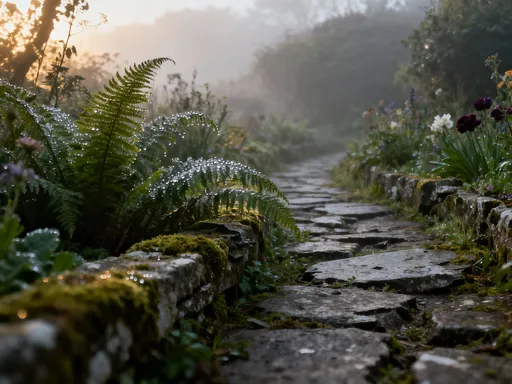
You know what? Bratislava isn’t just about castles and old town squares. I stumbled upon something unexpected—lush forests, quiet riverbanks, and trails that lead nowhere but peace. Wandering here feels different—raw, real, and refreshingly wild. If you think Slovakia’s capital is all concrete, think again. Between the Danube’s gentle flow and the Carpathian whispers, nature hides in plain sight. This is not a tourist checklist—it’s a slow, soulful discovery. Just beyond the tram lines and café terraces, the city breathes through green corridors, wooded hills, and riverside paths where silence still has a voice. For those willing to wander just a little further, Bratislava reveals a quieter, greener soul—one shaped by seasons, solitude, and the soft crunch of leaves underfoot.
Beyond the City Buzz: Discovering Bratislava’s Natural Pulse
Bratislava pulses with the rhythm of city life—trams clatter through cobbled streets, cafés hum with conversation, and historic spires rise above bustling plazas. Yet, just beyond this urban energy lies a network of forests, hills, and river trails that offer a striking contrast. What makes Bratislava unique among European capitals is not just its compact size, but how seamlessly it blends into the natural world. Within minutes of stepping away from the Old Town, the sounds of traffic fade, replaced by birdsong and the rustle of leaves. This coexistence is not accidental; it is deeply embedded in the city’s geography and culture. Bratislava is nestled where the Danube River curves around the foothills of the Little Carpathians, creating a natural amphitheater of green that cradles the city.
The city’s layout allows residents and visitors alike to slip into nature without needing a car or a full day’s commitment. A fifteen-minute walk from the city center can lead you into shaded woodlands where deer tracks mark the damp earth. A short bus ride delivers you to trailheads that climb into forested hills with panoramic views. This accessibility transforms nature from a weekend excursion into a daily possibility. Whether it’s a morning stretch under the canopy of Horský Park or an evening stroll along the Danube embankment, these moments of green immersion are woven into the fabric of everyday life. For many locals, this balance is not a luxury—it’s a necessity, a way to stay grounded amid the pace of modern living.
What’s more, Bratislava’s green spaces are not mere afterthoughts or decorative parks. They are ecologically significant, supporting diverse plant and animal life, filtering air, and regulating temperature. The city’s commitment to preserving these areas reflects a broader European trend toward sustainable urban planning, but Bratislava stands out for how naturally these spaces integrate with the urban landscape. You don’t need to leave the city to find solitude; you simply need to know where to look. And when you do, you realize that Bratislava’s true identity is not just that of a historic capital, but of a city that lives in dialogue with nature.
Danube Riverbanks: Where Water Meets Wild Calm
The Danube River is Bratislava’s lifeline, carving a broad arc along the city’s southern edge and serving as both a geographical boundary and a natural artery. While many visitors associate the river with the iconic UFO Bridge or the riverside promenade near the New Bridge, the true magic of the Danube unfolds in its quieter stretches. Away from the tourist hubs, the riverbanks transform into wild, meandering corridors of reeds, willows, and open sandbars. These zones, though within the city limits, feel remarkably untouched—a sanctuary for herons, kingfishers, and the occasional otter. Walking or cycling along these paths, especially in the early morning light, offers a rare sense of peace, where the only sounds are the lap of water and the distant call of a marsh warbler.
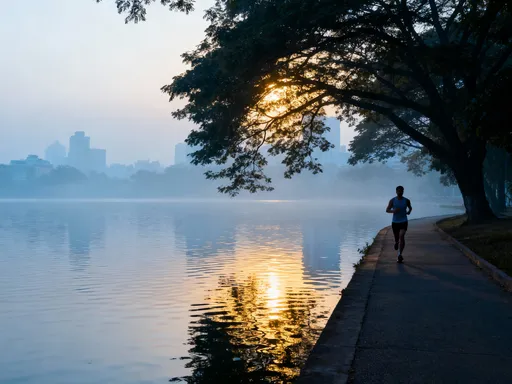
One of the most rewarding stretches begins near the Apollo Bridge and extends westward toward the borough of Petržalka. Here, paved paths give way to gravel trails that follow the river’s edge, winding through stands of alder and poplar. In spring, the banks come alive with blooming yellow iris and purple loosestrife; in late summer, dragonflies hover over still pools. Cyclists, joggers, and families with strollers share the route, but the wide-open spaces ensure that even on busy days, you can find a quiet bench or a secluded patch of grass to pause and breathe. As the sun sets, the sky turns amber, reflecting off the slow-moving current, and the city skyline glows softly in the distance—a reminder that urban and wild can coexist in harmony.
For those seeking a deeper connection, the Danube also offers opportunities for quiet contemplation. Benches are thoughtfully placed at overlooks, some with simple inscriptions inviting reflection. Locals often come here not just for exercise, but for mental clarity—mothers with newborns, retirees with notebooks, students with headphones. The river, in its steady flow, becomes a metaphor for continuity and resilience. And because the path is flat and well-maintained, it is accessible to people of all ages and abilities. Whether you walk a mile or five, the Danube Riverbanks offer a gentle, grounding experience that reminds you how vital water is—not just to life, but to the soul.
Devínska Kobyla: A Hilltop Escape with Wild Views
Rising 514 meters above sea level at the confluence of the Danube and Morava rivers, Devínska Kobyla is one of Bratislava’s most iconic natural landmarks. This forested limestone hill marks the westernmost point of Slovakia and lies just minutes from the city center by public transport. Yet, once you begin the ascent, the urban world quickly fades. The trail winds through beech and oak woods, where shafts of sunlight filter through the canopy and the air carries the scent of damp earth and wild mint. The climb is moderate—about 45 minutes from the base—but the sense of immersion is profound. You are not just hiking; you are stepping into a different realm, one shaped by geology, wind, and time.
At the summit, the reward is unparalleled. On a clear day, you can see across the Morava River into Austria, with the distant silhouette of the Alps on the horizon. Below, the Danube snakes through the floodplain, and the patchwork of forests and fields stretches in every direction. The view is not just scenic—it’s historical. This area has been a crossroads for centuries, a natural fortress and borderland between empires. Today, it serves as a powerful reminder of how nature transcends political boundaries. The summit itself is rocky and windswept, with sparse vegetation adapted to the dry, alkaline soil. Rare orchids bloom here in spring, and lizards dart between sun-warmed stones.
What makes Devínska Kobyla especially valuable is its ecological uniqueness. It is part of the Devínska Kobyla National Nature Reserve, protecting one of the last remnants of thermophilic oak forest in Central Europe. These forests thrive in warm, dry conditions and support a rich array of species, including the endangered smooth snake and the Apollo butterfly. The reserve is carefully managed to prevent overuse, with marked trails and restricted access to sensitive areas. This balance allows visitors to experience the wild without damaging it. For families, the hike offers adventure and education; for solo wanderers, it provides solitude and perspective. Whether you come for the view, the history, or the simple joy of being outdoors, Devínska Kobyla delivers a sense of accomplishment and peace.
Little Carpathians: The Green Backbone Just Outside Town
To the west and north of Bratislava, the Little Carpathians rise like a green spine, shielding the city from colder winds and offering a vast network of trails, vineyards, and quiet villages. This mountain range, though modest in height, is rich in biodiversity and cultural heritage. From the forested slopes of Lamačská Forest to the rolling meadows near Záhorská Ves, the region invites exploration at every turn. What makes the Little Carpathians so appealing is their accessibility—many trailheads are reachable by city bus or a short drive, making them ideal for weekend hikes, family outings, or even midweek escapes.
One of the most beloved routes is the Záhorská Ves nature trail, a well-marked loop that winds through mixed woodland, open glades, and along the banks of a small stream. Informational panels along the way explain the local flora and fauna, from wild garlic to red deer, making it a favorite among educators and families. In spring, the forest floor is carpeted with wood anemones and bluebells; in autumn, the beech trees turn golden, and the air fills with the scent of fallen leaves. The trail is gentle enough for children and older adults, yet varied enough to hold the interest of seasoned hikers.
Beyond recreation, the Little Carpathians play a crucial role in Bratislava’s environmental health. They act as the city’s natural lungs, filtering air, regulating water flow, and providing habitat for countless species. Local conservation efforts have helped preserve large swaths of forest, and sustainable tourism initiatives encourage visitors to respect the landscape. Vineyards cling to the sunnier slopes, where small-scale winemakers produce crisp white wines using traditional methods. Some offer tastings in rustic cellars, creating a perfect blend of nature and culture. For those who linger, the region reveals its quiet charm—chickens pecking in village yards, elders tending kitchen gardens, and the distant chime of church bells on Sunday morning.
Transportation to these areas is straightforward. Regular buses connect Bratislava to villages like Modra and Pezinok, both gateways to scenic trails. Bike rentals are available, allowing you to combine cycling and hiking in a single day. Trails are well-marked with the international color-coded system, so navigation is simple even for those unfamiliar with the terrain. Whether you seek a challenging climb or a leisurely walk through the woods, the Little Carpathians offer a green sanctuary just beyond the city’s edge.
Urban Oases: Parks That Breathe Life into the City
Even within Bratislava’s urban core, green spaces thrive—not as ornamental lawns, but as living, breathing ecosystems. Sad Janka Kráľa, the city’s oldest public park, is a prime example. Opened in 1846, it was designed as a place of rest and recreation, and today it remains a beloved retreat. Unlike formal gardens with rigid pathways, this park follows the natural contours of the land, with winding trails, a small stream, and dense tree cover. In spring, cherry blossoms drift onto the paths; in summer, the canopy provides cool shade. Locals come here to jog, read, or simply sit on a bench and watch the world slow down.
Equally significant is Horský Park, perched on a hill overlooking the city. More than just a park, it functions as a mini-forest, with tall pines, rocky outcrops, and hidden clearings. A popular trail leads to the Slavín Monument, offering panoramic views, but many visitors never make it that far—content instead to wander the quieter paths where squirrels scurry and birds nest. The park’s elevation creates a microclimate, making it noticeably cooler in summer and often dusted with frost in winter. It is not uncommon to see parents pushing strollers through snow or teenagers building snowmen on weekends.
These urban oases are more than just recreational spaces—they are essential to mental and physical well-being. Studies have shown that access to green spaces reduces stress, improves mood, and encourages physical activity. In Bratislava, where apartment living is common, parks provide a vital connection to nature. They are also surprisingly biodiverse. Bats roost in old trees, hedgehogs forage at night, and songbirds return each spring to nest. The city has invested in maintaining these areas without over-manicuring them, preserving their wild character. Benches are placed to encourage stillness, and signage promotes environmental awareness. For residents, these parks are not just places to visit—they are part of daily life, as essential as bread or coffee.
Seasonal Shifts: How Nature Changes the Wandering Experience
One of the most beautiful aspects of Bratislava’s natural landscape is how it transforms with the seasons. Each time of year brings a different mood, a different rhythm, and a different reason to wander. In winter, the city’s hills are dusted with snow, and the Danube paths glisten under frost. Though colder, this season offers clarity—footprints in fresh snow, the crisp snap of frozen branches, the way sunlight catches ice on river reeds. Walkers bundle up, breathe in the sharp air, and find a kind of quiet joy in the stillness. Some even hike Devínska Kobyla in winter, when the views are unobstructed by leaves and the world feels vast and silent.
Spring arrives gently, first with crocuses pushing through thawing soil, then with a cascade of blossoms—cherry, apple, and wild pear. The Little Carpathians come alive with bird song, and streams swell with meltwater. This is the season of renewal, when locals emerge from winter hibernation, eager to feel the sun and smell the earth. Picnics return to the parks, children chase butterflies, and photographers line the riverbanks to capture the fleeting beauty of bloom. Spring also brings the first wild garlic harvest, with foragers carefully gathering leaves in shaded woods—a tradition passed down through generations.
Summer turns the city green and lush. The parks are full, the riverbanks buzz with cyclists, and outdoor cafes spill onto the sidewalks. But those who rise early or walk late can still find solitude. Dawn hikes reveal mist rising off the Danube, and evening strolls are cooled by breezes from the west. Some adventurous locals swim in secluded spots along the river, where sandy banks and calm eddies create natural pools. It is a season of abundance, of long days and warm nights, when nature feels generous and alive.
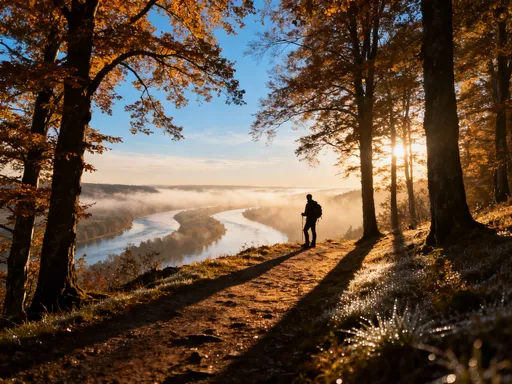
Then comes autumn—the most poetic of all. The forests blaze with color, from golden beech to deep red maple. The air carries the scent of damp leaves and woodsmoke. Trails become carpeted with fallen foliage, and the light turns soft and golden. This is the season for slow wandering, for pausing to listen, to breathe deeply. Mushrooms appear in the woods—chanterelles, boletes, and more—though only experienced foragers should attempt to collect them. Autumn also brings harvest festivals in the surrounding villages, where wine flows and tables groan with seasonal food. Each season, in its own way, invites a deeper connection to the land and to oneself.
Wandering as a Mindset: Slowing Down to See What’s Real
In a world that values speed, efficiency, and constant connectivity, wandering may seem like a lost art. But in Bratislava, it is not only possible—it is quietly celebrated. To wander here is not to get lost, but to find something essential: presence, clarity, and a sense of belonging. The best discoveries happen not on guided tours or crowded viewpoints, but on unmarked paths, in moments of quiet observation. It is the flash of a kingfisher diving into the Danube, the unexpected view through a break in the trees, the sound of your own breath syncing with your steps.
This kind of wandering is not about distance or achievement. It is about attention. It is about noticing the way moss clings to stone, the pattern of bark on an ancient oak, the way light shifts as clouds pass overhead. It is about allowing yourself to be surprised—by a hidden bench, a patch of wild strawberries, a stranger’s friendly nod. In these moments, the mind quiets, the body relaxes, and the heart opens. For women in their thirties to fifties—often balancing family, work, and personal needs—this practice is not a luxury, but a form of self-care. It is a way to reclaim time, to reconnect with nature, and to remember who you are beneath the roles you play.
Bratislava, in all its quiet green wisdom, invites this kind of journey. It does not demand grand gestures or elaborate plans. It asks only that you step outside, follow a path, and allow yourself to be present. You do not need special gear or expert knowledge. You only need curiosity and the willingness to slow down. Whether you walk for ten minutes or three hours, the effect is the same: a deeper breath, a clearer mind, a lighter heart. In the end, Bratislava is not just a destination—it is a state of being. A reminder that beauty, peace, and renewal are not far away. They are waiting, just beyond the next bend in the trail.