You Won’t Believe These Hidden Shops in Mendoza
When you think of Mendoza, wine probably comes to mind—but what if I told you the city’s true magic hides in its quiet alleyways and local markets? Far from the tourist crowds, Mendoza reveals a side most never see: handmade crafts, family-run boutiques, and artisan studios tucked behind sunlit plazas. I wandered for days and found something real—authentic, slow shopping that feels like discovery. This is not just retail; it’s connection, culture, and surprise around every corner.
Beyond the Vineyards: Mendoza’s Secret Shopping Soul
Mendoza is globally celebrated for its Malbec, and rightly so. Rolling vineyards stretch beneath the Andes, drawing visitors eager to taste Argentina’s finest wines. Yet beyond the rows of grapevines and grand bodegas lies a quieter, more intimate side of the city—one that unfolds in cobblestone streets, shaded courtyards, and unassuming storefronts. This is where Mendoza’s soul as a cultural and creative hub truly comes alive. While many tourists follow the well-marked wine route, a growing number are discovering that the city’s hidden shops offer a richer, more personal kind of indulgence.
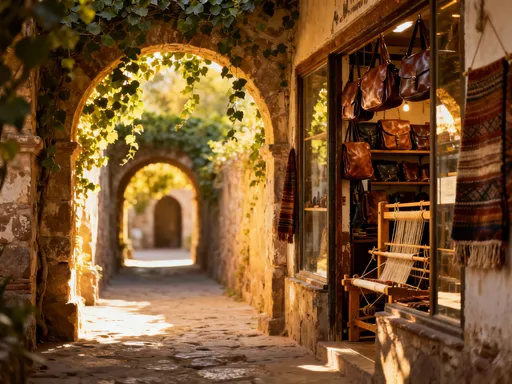
These small-scale, locally owned spaces are not designed for mass consumption. They are born from generations of craftsmanship, personal passion, and community pride. From leather workshops to ceramic ateliers, the goods found here reflect both tradition and innovation. Unlike commercial shopping districts, where products are often imported or mass-produced, these stores showcase items made by hand, with care, and often with stories attached. The experience of shopping in these places feels less like a transaction and more like a conversation—one where every object carries a piece of its maker’s life.
What sets these hidden shops apart is their authenticity. There’s no pressure to buy, no flashy signage, and rarely a price tag in sight. Instead, shopkeepers welcome visitors with quiet warmth, eager to share the history behind a hand-stitched bag or the technique used to shape a clay bowl. This kind of retail thrives on trust and connection, not turnover. It invites travelers to slow down, to observe, and to appreciate the time and skill embedded in every creation. In a world increasingly dominated by fast fashion and digital shopping, Mendoza’s offbeat boutiques offer a refreshing return to meaning.
The Heartbeat of Local Craft: Visiting Artesanías en la Calle
One of the most vivid ways to experience Mendoza’s artisan culture is through its open-air markets, where the heartbeat of local craftsmanship can be seen, heard, and felt. The most beloved of these is the weekly artisan fair held in various plazas across the city, particularly around Plaza Independencia and along Avenida Sarmiento. These markets are not tourist traps—they are community gatherings, where neighbors meet, children run between stalls, and artists proudly display their work under colorful canopies.
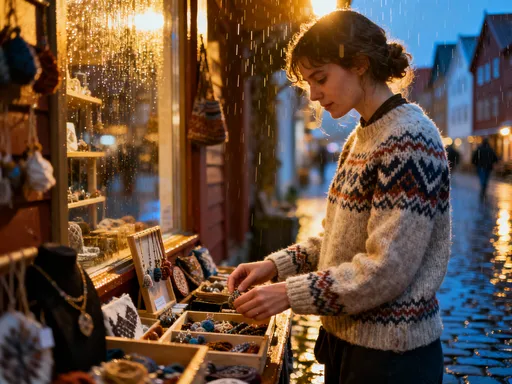
Walking through these markets is a full sensory immersion. The air carries the rich, earthy scent of cured leather, mingling with the faint smokiness of hand-forged metalwork. Nearby, bolts of hand-dyed wool in deep terracotta, forest green, and sun-bleached indigo flutter in the breeze. Artisans sit at their tables, sanding edges, weaving threads, or polishing silver, their hands moving with practiced ease. A cobbler taps a wooden last with a small hammer, repairing a vintage boot, while a potter demonstrates coiling technique to a small group of onlookers. Every sound, smell, and sight contributes to an atmosphere of living tradition.
The variety of crafts on display speaks to the region’s diverse cultural influences. Leatherwork, a longstanding specialty in Argentina, is represented in everything from belts and wallets to intricately tooled satchels. Many of these pieces are dyed using natural pigments and finished with hand-stitching that can take hours to complete. Textiles, often inspired by Andean weaving traditions, feature geometric patterns passed down through generations. Ceramics, too, reflect local aesthetics—earthenware bowls with rough, organic glazes, or delicate cups shaped to resemble native flora.
What makes these markets especially meaningful is their role in sustaining local livelihoods. Most vendors are the makers themselves, selling directly to the public without intermediaries. A purchase here is not just a souvenir—it’s a direct investment in someone’s craft and future. Travelers who take the time to engage often leave with more than an object; they carry a memory of the artist’s smile, a shared laugh over a language barrier, or a newfound appreciation for the patience required to create something truly handmade.
Barrio Sarmiento: A Hidden Hub of Design and Flavor
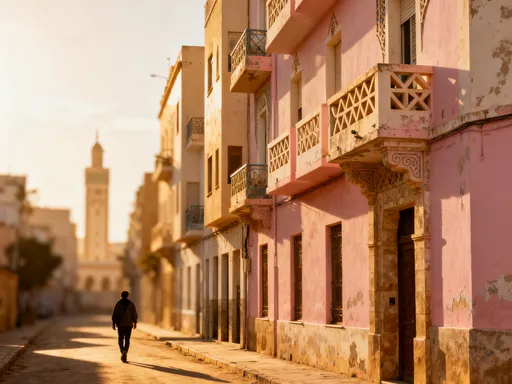
If Mendoza has a creative epicenter, it’s Barrio Sarmiento—a leafy, low-rise neighborhood that pulses with quiet artistic energy. Once a residential enclave on the city’s edge, Sarmiento has evolved into a destination for those seeking thoughtful design, independent bookshops, and café culture with a soul. Unlike the bustling center, this area moves at a gentler pace, where time seems to stretch beneath the shade of plane trees and the soft chime of bicycle bells.
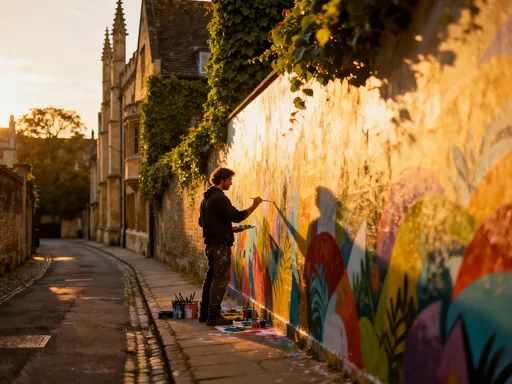
Strolling through Sarmiento feels like stepping into a curated journal—each corner offering a new discovery. Small design studios occupy converted homes, their windows displaying hand-printed stationery, minimalist homeware, and clothing made from organic cotton. One boutique might specialize in illustrated maps of Mendoza’s lesser-known trails, while another offers hand-bound notebooks made with recycled paper and linen thread. These shops are not about excess; they celebrate intentionality, offering items designed to be used, cherished, and passed on.
Bookshops here are more than retail spaces—they are cultural oases. Shelves are lined with works by Argentine authors, poetry collections in Spanish and indigenous languages, and beautifully illustrated children’s books. Some stores host weekly readings or art exhibitions, turning the act of browsing into a participatory experience. A traveler might linger over a volume of local folklore, only to be invited into a conversation with the owner about storytelling traditions in Cuyo, the region that includes Mendoza.
Equally compelling are the neighborhood’s cafés, which double as mini-galleries. At a corner espresso bar, ceramic mugs are made by a local potter, and the walls rotate monthly art displays from emerging artists. The menu features regional ingredients—quinoa empanadas, honey from nearby hives, and herbal infusions made with mountain herbs. These spaces embody a philosophy of slow living, where a morning coffee becomes a moment of connection, not just consumption. For visitors, Sarmiento offers a template for how shopping and culture can coexist in harmony, where every purchase supports a vision, not just a product.
Bodegas with a Twist: Where Wine Meets Art
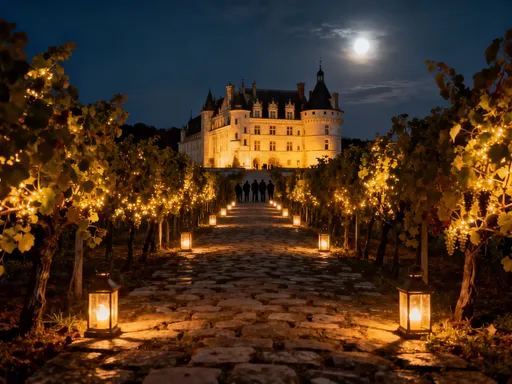
While the traditional wine-tasting experience remains a highlight, a new wave of bodegas in Mendoza is redefining what a vineyard visit can be. These wineries are not just producers of fine Malbec—they are cultural spaces that blend viticulture with visual art, design, and artisanal production. Visitors now have the chance to wander through sculpture gardens, view contemporary exhibitions, and purchase handcrafted goods that extend far beyond the bottle.
One such destination is a family-run estate on the outskirts of Luján de Cuyo, where the tasting room doubles as a gallery. Original paintings by local artists line the adobe walls, and sculptures crafted from reclaimed vineyard wood stand in the courtyard. Guests are encouraged to sip their wine while exploring the grounds, where each turn reveals a new artistic intervention. The winery also sells a small selection of artisanal products: olive oil pressed from estate-grown olives, dark chocolate infused with Malbec reduction, and hand-blown glass decanters made in collaboration with a nearby studio.
What makes these experiences unique is their integration of art into the rhythm of daily winemaking. Visitors don’t just observe—they participate. A tasting might be accompanied by a live harp performance, or a tour could include a demonstration by a glassblower shaping molten glass into elegant carafes. These moments transform the visit from a routine tasting into a multidimensional encounter, where flavor, sight, and sound converge.
For the thoughtful traveler, these bodegas offer a new kind of souvenir—one that captures the spirit of Mendoza’s creative fusion. Instead of a generic wine glass or logo-emblazoned hat, you might leave with a hand-painted coaster, a jar of lavender honey, or a limited-edition print by a regional artist. These items carry the essence of the place, reflecting not just what Mendoza produces, but how it sees itself—a region where nature, craft, and culture are inseparable.
El Zocalo Market: A Weekend Ritual Worth Waking Up For
No exploration of Mendoza’s hidden shopping culture would be complete without a visit to El Zocalo Market, held every Sunday in Plaza Chile. More than a marketplace, this event is a weekend ritual for locals—a gathering that blends commerce, community, and celebration. From dawn until early afternoon, the plaza transforms into a vibrant tapestry of stalls, music, and conversation, drawing families, artists, and food lovers from across the city.
The market’s charm lies in its authenticity. There are no imported trinkets or mass-produced souvenirs. Instead, vendors offer organic produce from nearby farms, handmade jewelry forged from Andean silver, and repurposed goods like upcycled denim bags or vintage leather goods restored to elegance. One stall might sell hand-thrown pottery glazed with mineral pigments, while another offers embroidered table linens stitched by women’s cooperatives in the Andean foothills. The diversity of offerings reflects Mendoza’s commitment to sustainability and local empowerment.
But El Zocalo is about more than shopping. It’s a sensory celebration of everyday life. The scent of freshly baked empanadas drifts from a food cart, where a grandmother flips dough over a wood-fired oven. A trio of musicians plays folk tunes on guitar, bombo legüero, and quena, their music rising above the hum of conversation. Children chase each other between tents, while elders sip mate in folding chairs, passing the gourd in quiet camaraderie. The atmosphere is warm, unhurried, and deeply rooted in Argentine custom.
For visitors, timing is key. Arriving early—between 8:00 and 10:00 a.m.—ensures the best selection and the chance to meet the artisans before the crowds arrive. It’s also the ideal window to witness the market at its most authentic, when creators are still present and eager to share their process. By midday, some stalls begin to pack up, and the energy shifts toward leisure. Yet even then, the plaza remains a lovely place to sit, sip a coffee, and watch the city breathe.
How to Shop Like a Local: Etiquette, Timing, and Transportation
To fully appreciate Mendoza’s hidden shopping scene, a bit of preparation goes a long way. Unlike major tourist hubs, these experiences thrive on personal interaction and cultural respect. Knowing when to visit, how to pay, and how to engage can make the difference between a superficial stop and a meaningful connection.
Timing is essential. Most artisan markets, including El Zocalo, operate on weekends—Sundays being the most vibrant. Weekday visits to neighborhood boutiques are quieter and often more intimate, especially in the morning when owners are arranging displays or finishing new pieces. Bodegas with art exhibitions typically welcome visitors between 10 a.m. and 5 p.m., but appointments are recommended for smaller estates. Planning ahead ensures access to the full experience, especially during peak season from March to May, when the city hosts harvest festivals and cultural events.
When it comes to payment, cash is still king in many smaller shops and market stalls. While larger boutiques and wineries accept credit cards, carrying Argentine pesos in small denominations is advisable. This not only facilitates smoother transactions but also shows respect for local norms. ATMs are widely available in central areas, but it’s wise to withdraw cash the day before a market visit.
Haggling is generally not expected in Mendoza’s artisan spaces. Prices reflect the time, materials, and skill involved in making each item. If a discount is offered, it’s usually because the seller appreciates the buyer’s interest or genuine connection. A more appropriate approach is to ask questions—about the materials, the process, or the inspiration behind a piece. This kind of engagement is often welcomed and can lead to a deeper understanding of the craft.
Getting around is part of the adventure. Mendoza is one of Argentina’s most bike-friendly cities, with dedicated lanes and rental stations throughout the center. Cycling between Barrio Sarmiento, Plaza Chile, and nearby bodegas is not only convenient but also allows travelers to absorb the city’s rhythm at a human pace. For longer distances, colectivos (local buses) are reliable, affordable, and frequently used by residents. Taxis and ride-sharing services are also available, but the true local experience often begins with a simple walk or bike ride through sun-dappled streets.
Why These Experiences Matter: The Bigger Picture of Conscious Travel
At first glance, a visit to a small market or artisan studio may seem like a minor detour in a larger trip. But these experiences represent something far more significant—a shift toward conscious travel. In choosing to explore Mendoza’s hidden shops, visitors are not just buying souvenirs; they are supporting sustainable economies, preserving cultural heritage, and reducing the strain on over-visited attractions.
Every purchase made directly from an artisan contributes to economic resilience in local communities. These small-scale creators often rely on seasonal tourism to sustain their livelihoods. By buying a handwoven scarf or a hand-thrown vase, travelers help ensure that traditional skills are not lost to industrialization or globalized markets. Moreover, many of these artisans use eco-friendly materials and low-impact production methods, aligning with broader environmental values.
There is also a cultural dimension to consider. In a world where homogenization threatens regional identities, Mendoza’s craft economy serves as a form of resistance. Each embroidered pattern, each hand-tooled design, carries a narrative of place and people. When travelers take the time to learn these stories, they become stewards of cultural memory, helping to keep traditions alive through appreciation and respect.
Finally, shopping off the beaten path offers a more balanced tourism model. Instead of concentrating crowds in a few well-known spots, these hidden destinations distribute economic benefits more evenly across the city. They invite visitors to explore neighborhoods they might otherwise overlook, fostering a deeper, more nuanced understanding of Mendoza’s character. This kind of travel is not about checking boxes—it’s about forming connections, one thoughtful interaction at a time.
Mendoza’s quiet corners offer more than things to buy—they invite you to slow down, engage, and take home stories, not just objects. By stepping off the main paths, you don’t just shop; you participate in a living culture. Next time you visit, let curiosity lead you beyond the vines. You might just find the most unforgettable part of Argentina’s wine country isn’t in the glass—but in the hands of the people who make it real.