You Won’t Believe These Hidden Natural Escapes Around Yangon
Think Yangon is just temples and city streets? Think again. Just beyond the bustle, nature throws down some seriously stunning surprises. I’m talking misty hills, serene lakes, and forests that feel worlds away. I was blown away by how much untouched beauty hides in plain sight. This isn’t your typical tourist trail—it’s real, raw, and totally worth the journey. Let me show you the Yangon most visitors never see.
Rethinking Yangon: More Than a City of Temples
For most travelers, Yangon is synonymous with golden spires, saffron-robed monks, and the grandeur of the Shwedagon Pagoda. The city’s colonial-era buildings, bustling markets, and vibrant street life further cement its image as Myanmar’s cultural and historical heart. Yet this urban portrait only tells half the story. Just a short distance from the city center, the landscape transforms—rolling hills emerge, waterways glisten under tropical sun, and thick forests offer shade and silence in equal measure. These natural escapes are not distant or difficult to reach; many lie within an hour’s drive, quietly waiting to be discovered.
Why does this matter? Because travel is not just about checking landmarks off a list. It’s about balance—between activity and stillness, crowds and solitude, history and nature. Yangon’s green spaces provide that balance, offering travelers a chance to slow down and reconnect with the rhythm of the land. They also reflect a deeper truth: that urban life and natural beauty are not opposites, but companions. In a country known for its spiritual heritage, these quiet places in nature offer their own kind of reverence—one felt in the rustle of leaves, the call of birds, and the stillness of a lake at dawn.
Yet these destinations remain overlooked. Guidebooks often prioritize pagodas and museums, and tour itineraries rarely include a forest walk or lakeside picnic. The result is a skewed perception of what Yangon has to offer. By shifting the narrative, we open the door to a richer, more holistic experience. These natural escapes are not distractions from the ‘real’ Yangon—they are part of it. And once you’ve felt the cool air on Karakar Mountain or watched the sunset over Inya Lake, you’ll understand why they deserve a central place in any visit.
Htaukkyan War Cemetery & Nearby Forest Trails – A Quiet Escape
Nestled on the outskirts of Yangon, the Htaukkyan War Cemetery offers more than a tribute to history—it provides a peaceful retreat into nature. Managed by the Commonwealth War Graves Commission, the site honors soldiers from World War II, but its serene atmosphere and lush surroundings make it a haven for reflection and quiet contemplation. Lined with neatly kept graves, the cemetery is shaded by tall, mature trees that form a natural canopy, softening the tropical sun and creating a cool, green sanctuary.
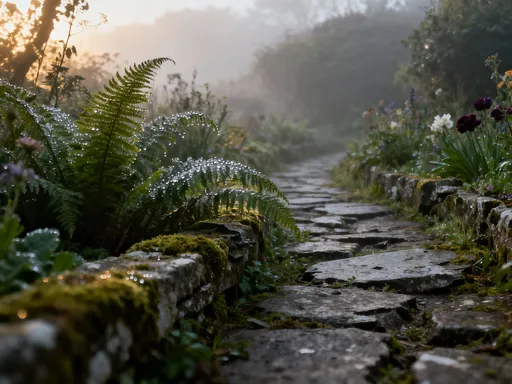
What many visitors don’t expect is the network of forested walking trails just beyond the cemetery grounds. These shaded paths wind through secondary growth forest, where the air is thick with the scent of damp earth and wild jasmine. Birdlife thrives here—kingfishers dart between branches, bulbuls call from the treetops, and the occasional hornbill may be spotted overhead. The trails are not heavily marked, which adds to their sense of discovery, but they are safe and passable for casual walkers. A slow stroll here feels like stepping into another world, one where time moves differently and the city’s noise fades into the background.
Combining history with nature, Htaukkyan makes for a meaningful half-day outing. It’s a place where remembrance and rejuvenation go hand in hand. Visitors often come to pay respects, but they stay for the peace. For families, couples, or solo travelers seeking a quiet moment, this is a rare blend of dignity and tranquility. The site is easily reached by car or taxi from downtown Yangon, and the surrounding area remains undeveloped, preserving its natural charm. No entrance fee is required, and opening hours are generous, making it accessible to all.
Inya Lake – Urban Nature with a View
At the heart of Yangon’s residential district lies Inya Lake, a shimmering body of water that serves as both a scenic landmark and a living space for locals. Unlike the more famous Kandawgyi Lake, Inya is less crowded and more integrated into daily life. Its tree-lined shores are dotted with benches, jogging paths, and quiet corners where students read under the shade of rain trees. The lake is bordered by the University of Yangon on one side and upscale neighborhoods on the other, creating a unique blend of academic calm and urban elegance.
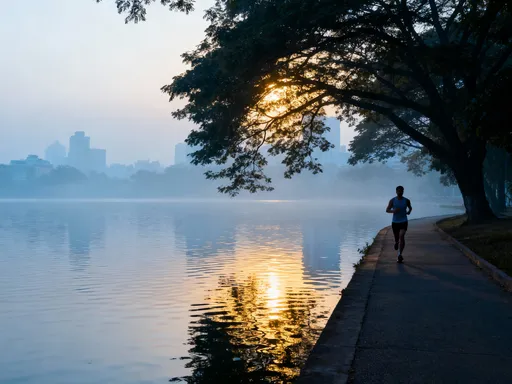
For travelers, Inya Lake offers a chance to experience Yangon’s quieter side. Early mornings are especially magical—the water reflects the pale pink and gold of the rising sun, and the only sounds are the footsteps of runners and the soft calls of mynas and doves. It’s an ideal time for photography, with long shadows stretching across the path and mist rising gently from the surface. As the day warms, families arrive with picnic mats, and couples walk hand in hand along the promenade. The lake’s stillness has a meditative quality, making it a perfect spot to pause and breathe.
What sets Inya apart is its authenticity. There are no souvenir stalls, no loud music, no tourist traps. This is where Yangon residents come to unwind, and visitors who follow their lead are rewarded with a genuine slice of city life. The lake is large enough to walk around in about 45 minutes, and several entry points make it easy to access. While swimming is not permitted, the reflective surface and surrounding greenery create a sense of openness rare in a dense urban environment. For those staying in nearby hotels, a sunrise walk here can set the tone for an entire day of exploration.
Kandawgyi Nature Park – Where City Meets Jungle
If Inya Lake offers quiet elegance, Kandawgyi Nature Park delivers vibrant energy. This expansive green space surrounds Kandawgyi Lake and blends manicured gardens with pockets of wilder vegetation, creating a dynamic ecosystem just minutes from downtown. The park is home to the iconic Karaweik Palace, a floating barge designed to resemble a royal barge, whose silhouette against the evening sky has become one of Yangon’s most photographed views. But beyond the postcard image, the park itself is a destination worth exploring in depth.
Walking paths loop around the lake, passing through shaded groves, open lawns, and wetland areas where water lilies bloom. The edges of the forest remain surprisingly wild—monitor lizards sun themselves on rocks, and painted storks stalk the shallows in search of fish. Birdwatchers will appreciate the diversity here: egrets, herons, and even the occasional black-crowned night heron can be spotted with patience. The park is also a favorite among joggers, families, and elderly residents practicing tai chi at dawn.
What makes Kandawgyi special is its accessibility and variety. Whether you want a 30-minute stroll, a full loop around the lake, or a quiet bench to read a book, the park accommodates. Benches are plentiful, and small food stalls offer refreshments without disrupting the natural ambiance. The best time to visit is late afternoon, when the light turns golden and the Karaweik Palace is illuminated. As the sun sets, locals gather to enjoy the cool breeze, and the atmosphere becomes festive yet peaceful. It’s a place where nature and city life coexist harmoniously, offering something for everyone.
Escape to Hlawga Park – Wildlife and Wetlands Beyond the City
About an hour’s drive north of Yangon, Hlawga National Park offers a true escape into wilderness. Covering over 600 hectares, this protected area combines grasslands, wetlands, and dense forest, creating a habitat for a variety of plant and animal species. Unlike commercial zoos, Hlawga focuses on conservation and education, making it a responsible choice for travelers interested in wildlife and ecology. The park is home to a small zoo that houses native animals such as deer, crocodiles, and primates, but the real attraction is the natural environment itself.
Visitors can walk along well-maintained trails that wind through open savannah and forested zones. Birdwatching is exceptional here—over 80 species have been recorded, including migratory birds that visit during the dry season. The wetlands attract waterfowl, and it’s not uncommon to see kingfishers diving or herons standing motionless at the water’s edge. Open meadows are perfect for picnics, and shaded areas provide relief from the sun. Families often come on weekends, spreading mats under the trees and enjoying a day of fresh air and simple pleasures.
Transportation to Hlawga is easiest by private car or guided tour, as public options are limited. Entry fees are modest, and the park is open daily. What stands out is the lack of commercialization—there are no loud attractions or crowded gift shops. Instead, the focus is on nature, education, and quiet enjoyment. For children, it’s a chance to see animals in a more natural setting; for adults, it’s a reminder of Myanmar’s rich biodiversity. Hlawga is not flashy, but it is deeply rewarding for those who appreciate authenticity and space.
Day Trips to Bago and the Karakar Mountain Trail
For travelers ready to venture further, the historic town of Bago makes an excellent day trip from Yangon—just 75 kilometers away and reachable in about 1.5 hours by car. Best known for its reclining Buddha and ancient monasteries, Bago also offers access to one of the region’s most scenic natural hikes: the Karakar Mountain Trail. Tucked into the hills outside town, this trail leads to a summit that rewards hikers with panoramic views of the surrounding countryside, including patchwork fields, winding rivers, and distant pagodas.
The hike itself is moderate—about 45 minutes to an hour one way—making it suitable for most fitness levels. The path is well-defined, though uneven in places, so sturdy footwear is recommended. Along the way, trees provide shade, and small shrines mark rest points. At the top, a simple pavilion offers shelter, and the breeze makes the climb feel worth every step. On clear days, the vista stretches for miles, offering a rare sense of elevation in a mostly flat region. Many travelers combine the hike with a visit to Bago’s temples, creating a balanced itinerary of culture and nature.
Local guides are available at the trailhead and can share insights about the area’s history and flora. Some speak basic English, and their presence enhances both safety and understanding. The trail is generally safe, but it’s wise to go in the morning to avoid the midday heat. Carrying water, wearing a hat, and applying sunscreen are essential. For those seeking a deeper connection with the land, Karakar Mountain offers not just views, but a physical experience of Myanmar’s quiet beauty—something no photograph can fully capture.
Travel Tips for Exploring Yangon’s Natural Side
To make the most of Yangon’s natural escapes, timing and preparation are key. The best period to visit is between November and February, when temperatures are cooler and rainfall is minimal. This is also peak tourist season, so arriving early at popular spots like Kandawgyi or Inya Lake helps avoid crowds. The monsoon months, from May to October, bring heavy rains and high humidity, making outdoor activities less comfortable and some trails slippery or inaccessible.
Transportation varies by destination. Inya Lake and Kandawgyi Nature Park are easily reached by taxi or ride-hailing apps. For Hlawga Park and Karakar Mountain, a private car or organized tour is more practical. Some tour operators offer eco-friendly day trips that include knowledgeable guides and sustainable practices—supporting these helps promote responsible tourism. If traveling independently, it’s wise to confirm road conditions and opening hours in advance, as information can change.
Packing smart enhances comfort and safety. Lightweight, breathable clothing is essential, along with a wide-brimmed hat and UV-protective sunglasses. Insect repellent is recommended, especially in forested or wetland areas. Always carry water—staying hydrated is crucial in the tropical climate. A small backpack with sunscreen, a reusable water bottle, and a light rain jacket covers most needs. For hiking trails, closed-toe shoes with good grip are a must.
Equally important is respecting the environment. These natural spaces are fragile, and even small actions can have an impact. Avoid littering, stay on marked paths, and refrain from feeding wildlife. Many of these areas are used by locals for recreation and reflection, so quiet and respectful behavior is appreciated. Supporting local guides and small vendors not only enriches the experience but also contributes to community-based conservation efforts. Traveling mindfully ensures these places remain beautiful for future visitors.
Conclusion
Yangon’s natural landscapes aren’t just add-ons—they’re essential to understanding the city’s soul. From quiet lakes to forested hills, these places restore balance to any trip. They remind us that beauty isn’t confined to temples and monuments; it thrives in the rustle of leaves, the stillness of water, and the cool air of a mountain summit. By stepping off the beaten path, travelers gain not just views, but deeper connection—to the land, to local life, and to themselves.
So next time you’re in Yangon, don’t just see the sights—feel the earth, hear the birds, and breathe it all in. Whether it’s a morning walk by Inya Lake, a quiet moment at Htaukkyan, or a climb up Karakar Mountain, these experiences stay with you long after the journey ends. Nature here is waiting, and it’s unforgettable. Let it surprise you. Let it ground you. And let it show you a side of Yangon that few ever discover.