You Won’t Believe These Natural Gems Hiding in Tel Aviv
When you think of Tel Aviv, beaches and nightlife probably come to mind—but what if I told you the city hides stunning natural scenery just off the beaten path? From golden dunes to secret wildflower valleys, I was blown away by how much raw beauty exists beyond the urban buzz. These spots are perfect for photography, peace, or simply reconnecting with nature. Let me take you to the side of Tel Aviv most travelers never see.
Beyond the City Lights: The Unexpected Natural Side of Tel Aviv
Tel Aviv is often celebrated for its sleek skyline, vibrant café culture, and energetic shoreline, but beneath its modern surface lies a surprising network of natural sanctuaries. While many visitors stick to the bustling promenades and rooftop bars, those who venture slightly off the tourist trail discover a quieter, wilder side of the city—one shaped by shifting sands, flowing rivers, and resilient desert flora. This duality is no accident. Nestled where the Mediterranean meets the edge of the Negev desert, Tel Aviv occupies a rare ecological crossroads. The city's proximity to both sea and arid land creates microclimates that support an unexpected variety of plant and animal life, thriving in pockets of green amid urban development. These natural spaces are not just scenic diversions; they serve as vital lungs for the city, offering residents and visitors alike a chance to slow down, breathe deeply, and witness nature’s quiet persistence.
What makes these hidden landscapes so compelling is their accessibility. Unlike remote national parks that require hours of travel, Tel Aviv’s natural gems are often just minutes from downtown. A short bike ride or bus trip can transport you from high-rise apartments to rolling meadows or coastal dunes. This ease of access makes them ideal for spontaneous outings, early morning walks, or weekend explorations. For photographers, the contrast between urban energy and natural stillness provides a rich visual narrative. For families and solo travelers alike, these spaces offer moments of calm and connection in an otherwise fast-paced environment. The growing appreciation for these areas reflects a broader shift in how people value travel—not just for iconic landmarks, but for authentic, grounded experiences that reveal a destination’s deeper character.
Moreover, these natural spaces play a crucial role in environmental education and conservation awareness. Local schools organize field trips to the Yarkon River and nearby reserves, teaching children about native species and the importance of protecting fragile ecosystems. Community-led clean-up initiatives and guided nature walks further strengthen the bond between people and place. In a world where urbanization often comes at the expense of nature, Tel Aviv’s ability to integrate wild spaces into city life stands as a quiet model of balance. It reminds us that nature does not have to be far away to be meaningful—that beauty and serenity can flourish even in the shadow of skyscrapers, if we know where to look.
The Magic of the Yarkon River Park: A Green Escape Minutes from Downtown
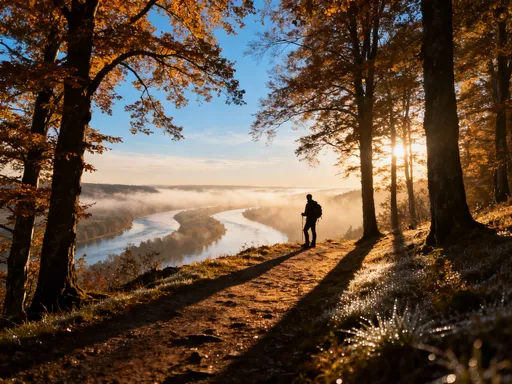
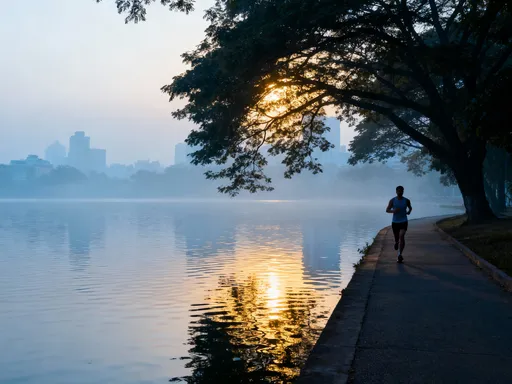
Flowing quietly through the heart of the metropolitan area, the Yarkon River Park is a sprawling green corridor that offers one of the most accessible and serene natural experiences near Tel Aviv. Stretching over 25 kilometers from the Mediterranean coast inland, this urban oasis is a favorite among locals seeking shade, fresh air, and a break from the city’s relentless pace. Lined with eucalyptus, cypress, and tamarisk trees, the park features a network of well-maintained walking and cycling paths that meander alongside the slow-moving river. Benches, picnic areas, and small wooden bridges provide inviting spots to pause, watch the water, and listen to the rustle of leaves and the calls of birds hidden in the canopy.
One of the park’s greatest charms is its rich birdlife. Over 200 species have been recorded here, including kingfishers, herons, hoopoes, and warblers, making it a prime destination for birdwatchers and nature photographers. Early mornings and late afternoons offer the best opportunities to spot these creatures, especially near the reed beds and quiet bends of the river. The interplay of light during golden hour transforms the landscape—sunlight filters through the trees, casting long shadows and gilding the surface of the water, creating ideal conditions for soft, atmospheric photography. Elevated observation decks and low-lying trails allow for varied perspectives, whether capturing a kingfisher in flight or the reflection of clouds on a still pond.
The park also changes subtly with the seasons. In winter, rain-swollen streams bring a sense of movement and abundance, while spring brings bursts of wildflowers along the banks—yellow mustard, purple iris, and delicate anemones. Summer sees the landscape turn golden and dry, but the tree cover provides welcome shade, and the sound of cicadas adds to the sense of being immersed in nature. Autumn brings cooler temperatures and clearer skies, perfect for long walks and landscape photography. Whether you're visiting for solitude, exercise, or creative inspiration, the Yarkon River Park offers a refreshing contrast to the city’s concrete and noise, proving that tranquility is never far away.
Tel Aviv’s Urban Beach Dunes: Where Nature Meets the Mediterranean
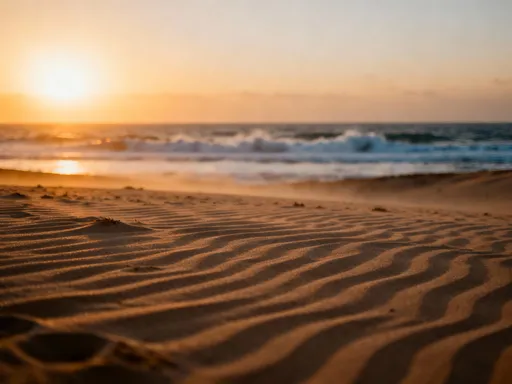
Along Tel Aviv’s northern coastline, particularly near the Tel Baruch and Rabin neighborhoods, lie stretches of dynamic coastal dunes that many passersby overlook. These dunes, formed by wind and wave action, are not just remnants of a wilder shoreline—they are living landscapes that shift and reshape with every storm and season. Covered in hardy sea lavender, beach morning glory, and sand couch grass, these dunes serve as natural barriers that protect inland areas from erosion and flooding. Yet they also possess a raw, sculptural beauty that makes them a compelling subject for photographers and nature lovers.
The dunes come alive at sunrise and sunset, when the low-angle light accentuates their contours, casting deep shadows and highlighting the texture of the sand. The interplay between wind-swept ridges and smooth hollows creates a constantly changing canvas, where each visit offers a new composition. The sound of the Mediterranean waves crashing just meters away adds to the sensory experience, grounding the visitor in the rhythm of the sea. Unlike the groomed beaches further south, these dune areas remain relatively untouched, preserving a sense of wildness within the city limits.
Walking through the dunes requires care—boardwalks and marked paths help prevent damage to fragile vegetation, and visitors are encouraged to stay on designated routes. This balance between access and preservation is essential, as these ecosystems are sensitive to foot traffic and urban development. Yet the reward for respectful exploration is a rare urban wilderness experience—one where nature asserts itself boldly, even in the face of rapid coastal development. For families, these dunes offer a chance to teach children about coastal ecology, while photographers can capture dramatic silhouettes, textured close-ups, and wide-angle seascapes that blend land, sea, and sky.
The Hidden Valley of Sorek Nature Reserve: A Wildflower Dream
Just a short drive southeast of Tel Aviv, nestled in the Judean foothills, lies the Sorek Nature Reserve—a breathtaking landscape of limestone cliffs, deep ravines, and seasonal streams that come alive after winter rains. This protected area, part of a larger biosphere reserve, is especially magical in late winter and early spring, when the hills explode in a riot of wildflowers. Red anemones, orange poppies, yellow crown daisies, and purple irises blanket the slopes, creating a living tapestry that changes by the week. The contrast between the rugged rock formations and the delicate blooms makes this one of the most photogenic destinations within easy reach of the city.
The reserve’s main trail follows the winding course of Nahal Sorek, a stream that cuts through the valley and supports a surprising variety of plant and animal life. Along the way, hikers pass ancient caves, remnants of old stone quarries, and panoramic viewpoints that offer sweeping vistas of the surrounding hills. The air is filled with the scent of wild thyme and sage, and the sound of flowing water provides a soothing soundtrack. Birdwatchers may spot rock hyraxes darting between boulders or kestrels hovering above the cliffs. The trail is moderately easy, making it suitable for families and casual hikers, though sturdy shoes are recommended due to uneven terrain.
For photographers, the reserve offers endless opportunities. Morning light illuminates the eastern slopes, bringing out the vivid colors of the flowers, while late afternoon light softens the rock faces and creates long shadows that add depth to compositions. Wide-angle lenses capture the grandeur of the valley, while macro settings reveal the intricate details of individual blooms. Because the blooming season is brief—typically from February to April—timing is crucial. Many visitors return weekly to witness the gradual transformation of the landscape, each stage offering a new perspective. The Sorek Reserve is more than a day trip; it’s a reminder of nature’s cyclical beauty and the importance of seasonal awareness in travel.
Hiriya Transformation: From Landfill to Bloom Fields
One of the most remarkable environmental transformations in Israel’s recent history has taken place on the outskirts of Tel Aviv, at the site of the former Hiriya landfill. Once a sprawling waste dump that loomed over the city like a scar, this area has been reborn as Ariel Sharon Park—a vast, visionary green space that spans over 2,000 acres. Designed by world-renowned landscape architect Peter Latz, the park integrates ecological restoration with public recreation, turning a symbol of environmental neglect into a thriving ecosystem. Rolling hills, once mountains of trash, are now covered in wildflowers, grasses, and trees, creating a surreal and beautiful landscape that feels both natural and intentionally crafted.
The park’s design respects the site’s history while embracing its future. Recycled materials from the landfill were used in construction, and methane gas recovery systems continue to generate renewable energy. Walking trails, cycling paths, and educational centers invite visitors to explore and learn. The Butterfly Garden, a centerpiece of the park, hosts dozens of native species and serves as a sanctuary for pollinators. Seasonal flower fields—especially vibrant in spring—draw photographers and families alike, offering colorful, open spaces that contrast sharply with the site’s past. The juxtaposition of beauty and history makes this one of the most thought-provoking natural destinations near Tel Aviv.
For travelers interested in sustainable development and environmental renewal, Ariel Sharon Park is a powerful example of what’s possible when communities commit to healing the land. It’s not just a park—it’s a statement. Visitors often describe a sense of awe and hope when standing atop one of the rehabilitated hills, looking out over fields of blossoms where garbage once piled skyward. This transformation resonates on both an emotional and intellectual level, reminding us that nature, given the chance, can reclaim even the most damaged places. The park is easily accessible by car or guided tour, and its wide-open spaces make it ideal for picnics, kite flying, or simply wandering with a camera in hand.
Sunrise at Neot Hovav: Capturing Light in the Desert Fringe
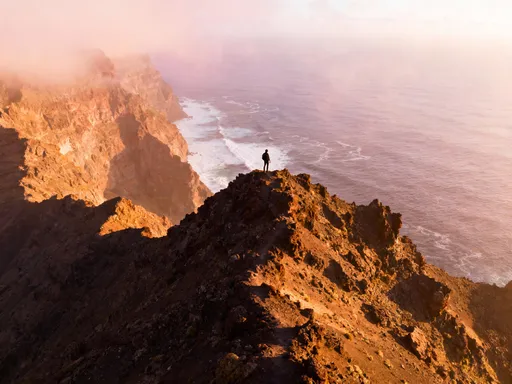
For those willing to venture a bit farther, the northern edge of the Negev desert offers a landscape that feels worlds away from Tel Aviv’s Mediterranean charm. The area around Neot Hovav, located about an hour’s drive south, is part of a semi-arid region where red sands, rocky outcrops, and sparse vegetation create a dramatic, almost lunar scenery. This is a place of extremes—intense sunlight, vast open skies, and silence so deep it becomes palpable. But for photographers and nature enthusiasts, the real magic happens at sunrise, when the first light strikes the desert floor, setting the rocks and dunes ablaze in hues of gold, copper, and rose.
Reaching these remote areas requires planning. While some roads are accessible by regular vehicles, others are best navigated with a 4x4, especially after rain when the ground can become slippery. It’s essential to carry water, wear protective clothing, and check weather conditions before setting out. Local guided tours are available and highly recommended for first-time visitors, as they provide both safety and insight into the region’s geology and ecology. The landscape may appear barren at first glance, but closer inspection reveals resilience—hardy acacia trees, desert hyacinths, and even the occasional ibex navigating the cliffs.
Photographing this environment demands patience and adaptability. The low angle of the morning sun creates long shadows and strong contrasts, ideal for black-and-white compositions or high-dynamic-range color shots. A tripod is essential for capturing the soft transitions of light, while polarizing filters can enhance the texture of the rocks and sky. Because the terrain is fragile, visitors are urged to follow Leave No Trace principles—staying on marked paths, avoiding plant life, and packing out all waste. The experience of watching the desert awaken is unforgettable, a quiet meditation on time, light, and the enduring power of nature.
Chasing Seasons: When and How to Photograph Tel Aviv’s Natural Wonders
To make the most of Tel Aviv’s natural offerings, timing is everything. Each location has its peak season, dictated by rainfall, temperature, and daylight. Winter and early spring—roughly December to April—are the best months for wildflowers, flowing streams, and lush greenery. This is when the Sorek Reserve blooms, the Yarkon River runs full, and the hills around the city turn vibrant with color. Summer, from June to September, brings intense heat and dry conditions, but it’s ideal for early morning or late evening visits to the dunes and desert areas, where the light is soft and the air still.
For photographers, understanding light is crucial. The golden hours—shortly after sunrise and before sunset—provide the most flattering illumination, especially for landscapes and silhouettes. Overcast days, though less dramatic, offer diffused light that’s excellent for macro photography and capturing subtle textures. Camera settings should be adjusted accordingly: a low ISO for clear images, a narrow aperture (f/8 to f/16) for depth of field, and a tripod for stability during long exposures. Wide-angle lenses are ideal for expansive views, while telephoto lenses help isolate distant details like birds or rock formations.
Responsible tourism is equally important. Many of these natural areas are protected, and visitors are expected to respect local guidelines—staying on trails, avoiding picking plants, and minimizing noise. Carrying reusable water bottles, using eco-friendly sunscreen, and choosing public transportation or bike rentals when possible all contribute to sustainable travel. Information about access, guided walks, and seasonal events is available through local parks authorities and visitor centers, making it easy to plan a thoughtful, enriching experience.
Ultimately, exploring Tel Aviv’s natural side is about shifting perspective. It’s about looking beyond the postcard images and discovering the quiet, resilient beauty that thrives just beyond the pavement. Whether you’re framing a shot of wild anemones at dawn or listening to the wind whisper through the dunes, these moments connect you not just to a place, but to a deeper sense of wonder. They remind us that nature is not separate from city life—it is woven into it, waiting to be noticed.
Conclusion
Tel Aviv’s natural scenery proves that beauty thrives where you least expect it. By stepping off the beaten path, travelers don’t just capture incredible photos—they connect with a deeper, quieter side of Israel’s most vibrant city. This is nature not as an escape, but as a revelation.