You Won’t Believe These Instagram-Worthy Spots in Sapa’s Public Spaces
Sapa isn’t just rice terraces and mountain hikes—its public spaces are pure magic. I wandered through open markets, village squares, and stone pathways, and honestly? Every corner felt like a photo waiting to happen. The mix of ethnic culture, misty highlands, and everyday local life creates visuals that are both raw and breathtaking. If you’re chasing authenticity with serious Instagram appeal, Sapa’s shared spaces deliver in ways you never expected. This is travel with soul—and style.
The Heartbeat of Sapa: Exploring Its Village Squares
Village squares in Sapa serve as the quiet pulse of daily life, where time slows and culture unfolds naturally. These open-air plazas, often unpaved and framed by wooden homes on stilts, are not designed for tourists but for community. They host morning gatherings, children’s games, and elders sharing stories under the shade of ancient trees. Unlike manicured urban parks, these spaces embrace imperfection—cracked stones, uneven ground, and clothes drying on lines—which only adds to their visual authenticity. It is precisely this unpolished charm that makes them so compelling through a lens.
The emotional resonance of these squares lies in their spontaneity. A grandmother adjusts her indigo-dyed scarf while walking home with a bamboo basket. A group of schoolchildren laugh as they kick a makeshift ball across the dirt. These fleeting moments, when captured with sensitivity, tell stories far deeper than any posed portrait. The natural rhythm of life here offers a rare window into the Hmong, Dao, and Tay cultures, where tradition is not performed but lived. For photographers seeking depth, these scenes provide both visual richness and cultural context.
Light plays a crucial role in elevating these spaces. Early morning, when mist still clings to the hills, casts a soft, diffused glow across the squares. This gentle illumination enhances textures—the grain of weathered wood, the weave of hand-embroidered clothing—without harsh shadows. Late afternoon brings golden hour, when the low sun slices through the valley, backlighting figures in motion and creating long, dramatic silhouettes. These times are ideal for capturing both atmosphere and detail, especially when locals move through the space in traditional dress.
When visiting, timing matters. Arriving between 7:00 and 9:00 a.m. or 4:00 and 6:00 p.m. increases the chances of witnessing daily rituals without disrupting them. Respectful photography etiquette is essential. Always ask permission before photographing individuals, especially the elderly or those engaged in personal activities. A smile and a simple gesture can go a long way. Avoid using flash, which can be intrusive, and never block pathways or private entrances for a shot. The goal is not just to take a photo, but to do so in a way that honors the people and place.
Sapa Market: A Sensory & Visual Festival in Public Space
The Sapa market is more than a place to buy souvenirs—it is a living, breathing public stage where color, sound, and movement collide in perfect harmony. Held daily in the central town area, this bustling hub draws vendors from surrounding villages who arrive before dawn with goods balanced on their backs. The market is a feast for the senses: the earthy scent of turmeric and ginger, the rhythmic clatter of metal scales, the vibrant swirl of handwoven fabrics in deep reds, blues, and purples. Every stall tells a story, from baskets overflowing with wild herbs to rows of intricately embroidered hats passed down through generations.
Visually, the contrasts are striking. Smooth, polished stones used as weights sit beside rough-hewn wooden trays. Shiny plastic raincoats drape over racks of naturally dyed cotton. A vendor’s weathered hands, cracked from years of labor, carefully fold a piece of silk as sunlight catches the threads. These juxtapositions create dynamic compositions that are both artistic and human. The market is never static—people move constantly, negotiating prices, sharing jokes, or pausing to sip hot tea from clay cups. This fluidity makes it a goldmine for candid photography, where every frame can capture a moment of genuine connection.
For travelers, navigating the market requires awareness and intention. Crowds can be dense, especially on weekends and market days like Sunday in Bac Ha, though Sapa’s main market remains active throughout the week. To avoid overwhelming the space, move slowly and stay to the edges when photographing. Let scenes unfold naturally rather than directing subjects. If you wish to photograph a vendor, first engage—ask about their goods, purchase something small, then politely request a photo. This approach builds trust and often results in warmer, more authentic images.
Supporting local vendors is not just ethical—it enriches the experience. Buying a hand-stitched bag or a jar of homemade chili paste directly benefits families who rely on these sales. It also opens doors to conversation, which can lead to unexpected photo opportunities, such as a grandmother demonstrating how she spins wool or a child proudly showing off a family heirloom. These interactions, when approached with humility, create memories that go beyond the image. The market, in essence, is not just a backdrop but a community in motion—one that deserves to be seen, respected, and preserved.
Stone Pathways & Communal Staircases: Beauty in Movement
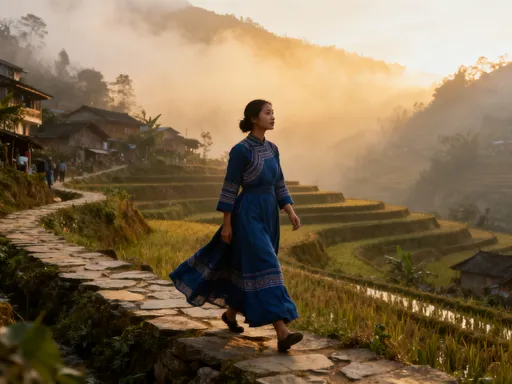
Winding through Sapa’s hills are networks of stone pathways and communal staircases, built by hand and worn smooth by generations of footsteps. These trails are not merely routes from one place to another—they are public corridors where life happens. Women carry firewood uphill in woven backpacks, farmers lead water buffalo to lower fields, and children race home after school, their laughter echoing between rice paddies. Each step along these paths reveals a new layer of the landscape: a mist-covered ridge, a distant village clinging to a mountainside, a waterfall tumbling down a mossy cliff.
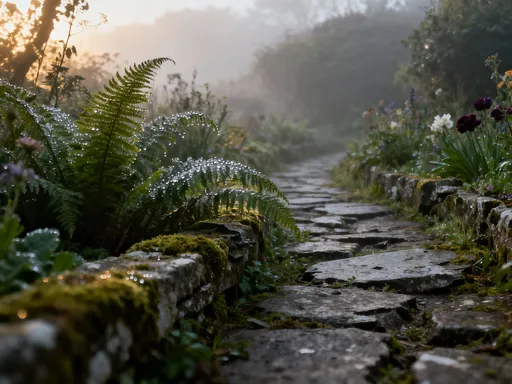
From a photographic standpoint, these stone trails offer unparalleled composition opportunities. The natural lines of the steps guide the eye into the distance, creating depth and perspective. When fog rolls in, the path may disappear into the mist, evoking a sense of mystery and journey. Layered terraces frame the route, while figures in motion—bent under loads or pausing to rest—add human scale and narrative. The textures are equally compelling: lichen-covered stones, damp earth, bamboo railings tied with twine. These details, when captured in close-up or wide-angle, convey both the physicality and poetry of rural life.
Culturally, these pathways reflect a deep harmony between people and nature. They follow the contours of the land, minimizing erosion and preserving the ecosystem. Their construction—without heavy machinery or modern materials—speaks to collective effort and resilience. In many villages, maintaining these paths is a shared responsibility, reinforcing community bonds. Walking them is not just a physical act but a quiet participation in a centuries-old rhythm. For visitors, this awareness can transform a simple hike into a meaningful experience.
To make the most of these trails, timing and route selection are key. Early mornings offer the clearest views and the fewest people. The path from Cat Cat village to Y Linh Ho, for example, provides stunning valley overlooks and frequent encounters with locals tending their fields. The Muong Hoa Valley trail, stretching between several ethnic communities, allows for longer immersion and diverse scenery. Wear sturdy footwear, as some sections are steep and slippery, especially after rain. Carry a light backpack with water and a rain jacket—weather in the highlands can change quickly. Most importantly, walk with presence: pause often, listen to the sounds of birds and running water, and let the landscape speak.
Community Gardens & Shared Terraces: Where Nature Meets Public Life
The terraced fields of Sapa are more than agricultural wonders—they function as communal spaces where work, socializing, and tradition intersect. These stepped gardens, carved into mountainsides over centuries, are tended collectively by families and neighbors. During planting and harvest seasons, entire villages mobilize, their movements synchronized like a quiet dance. Women squat in the mud, inserting rice seedlings one by one, while men divert water through bamboo channels. The reflections of clouds ripple across flooded paddies, turning the hills into a living mirror. This blend of labor and landscape creates some of the most poetic visuals in Sapa.
What makes these terraces uniquely photogenic is their dynamic nature. Each season transforms the palette: emerald green in spring, golden yellow in autumn, silvery gray when flooded for planting. Fog often drifts between the layers, softening edges and adding depth. When sunlight breaks through, it illuminates patches of field like spotlights on a stage. The human element—figures bent at work, children chasing ducks, a farmer leaning on a hoe—anchors these scenes in reality. These are not postcard-perfect images but real moments of sustenance and survival, made beautiful by their honesty.
Visitors must approach these spaces with care. While the temptation to step off the path for a better angle is strong, doing so can damage crops and disrespect farmers’ labor. Always stay on designated trails or stone edges. Avoid walking through flooded fields, even if they appear empty. If you wish to photograph someone working, do so from a distance first, then approach only if invited. A small gift—like fruit or a notebook—can be a thoughtful gesture if you’ve taken multiple photos. Remember, these are working landscapes, not outdoor studios.
The best times to visit are early morning or late afternoon, when light is soft and activity is high. September to November, during the harvest, offers golden hues and busy fields. March to May, the planting season, brings reflective water and vibrant green shoots. During these periods, the terraces are at their most photogenic and culturally active. Staying in a homestay allows for deeper access and better timing—waking up at dawn to walk the fields as mist rises is an experience few forget. These shared terraces remind us that beauty often grows from necessity, and that the most powerful images are those rooted in truth.
Cultural Pavilions & Open-Air Gathering Spots
Scattered throughout Sapa’s villages are simple wooden pavilions and shaded clearings—unassuming structures that serve as vital social hubs. These open-air gathering spots, often built on stilts with thatched roofs, provide shelter from sun and rain while fostering connection. Elders gather here to chat over tea, children play games on the wooden floors, and travelers rest between hikes. Unlike formal buildings, these pavilions blend seamlessly into the landscape, their weathered planks and mossy roofs echoing the colors of the forest. Their understated design reflects a philosophy of humility and integration with nature.
These spaces are rich with quiet moments perfect for photography. A grandmother rocks slowly on a bench, her face lined with stories. Two girls braid each other’s hair while giggling. A man tunes a traditional flute, the notes floating into the breeze. These scenes are not staged but spontaneous, offering a glimpse into the rhythm of daily life. The soft light filtering through the roof creates a gentle contrast, ideal for portraits with natural warmth. Because these areas are semi-private, visitors should observe from a respectful distance and avoid intruding on conversations or rituals.
Photographing in these pavilions requires patience and sensitivity. Wait for moments to unfold rather than interrupting them. Use a zoom lens to capture details—hands weaving, eyes smiling, fabric patterns—without getting too close. If you’re invited to sit and share tea, accept graciously and engage in simple conversation. This openness often leads to genuine interactions and more meaningful photos. These spaces are not tourist attractions but living rooms of the village, and treating them as such ensures both dignity and authenticity.
Some of the most peaceful pavilions are found in smaller, less-visited villages like Ta Van or Lao Chai. Reaching them often involves a short trek, but the reward is a quieter, more intimate experience. Unlike crowded viewpoints, these spots offer stillness—a chance to slow down and absorb the atmosphere. For families traveling with children, these areas can be especially engaging, as local kids often welcome playmates. The shared joy between children, regardless of language, is one of the purest forms of connection. These pavilions, though simple, hold the heart of Sapa’s community spirit.
Why These Spaces Stand Out on Social Media—Authentically
Sapa’s public spaces have gained quiet fame on social media, not because they are flashy or curated, but because they radiate authenticity. In an age of staged backdrops and filtered perfection, these places offer something rare: unfiltered beauty rooted in real life. A photo of a woman walking a stone path in traditional dress, her basket filled with herbs, carries more emotional weight than any influencer pose. The textures, colors, and human moments found here resonate because they feel true. This is why images from Sapa often go beyond likes—they spark curiosity, empathy, and a longing for deeper travel experiences.
What sets these spaces apart from typical tourist spots is their lack of performance. There are no photo booths, no costume rentals, no choreographed dances for cameras. Instead, life unfolds as it always has. A vendor sells vegetables because her family needs income, not because she’s part of a cultural show. A child runs barefoot because that’s how he plays, not because it’s picturesque. This honesty is what makes the visuals so powerful. When shared responsibly, these images can educate and inspire, showing the world a culture that values simplicity, resilience, and connection.
With this visibility comes responsibility. Every photo shared online has the potential to impact the community. Over-photographing, especially of children or elders, can become exploitative if not done with consent and respect. Captions should avoid exoticizing language—phrases like “primitive” or “untouched” reduce people to stereotypes. Instead, focus on dignity, strength, and everyday beauty. Acknowledge that you are a guest, and that the real story belongs to the people who live there.
The mindset behind the lens matters as much as the image itself. Rather than rushing to capture everything, practice slow photography: observe first, connect when possible, and shoot only when the moment feels right. Put the phone down and simply be present. Let the sounds, smells, and rhythms of the place sink in. When you do take a photo, make it count. This approach not only results in better images but fosters a deeper, more respectful relationship with the destination. Social media, when used with intention, can be a force for cultural appreciation rather than appropriation.
Putting It All Together: Planning Your Own Visual Journey
Creating a meaningful visual journey through Sapa’s public spaces begins with thoughtful planning. Start by focusing on a few key areas rather than trying to see everything. A three-day itinerary could include: Day One in Sapa town and the central market, Day Two exploring Cat Cat and Y Linh Ho via stone pathways, and Day Three visiting Ta Van or Lao Chai for village squares and cultural pavilions. This allows time to absorb each place without rushing. Homestays in local villages offer immersive access and early-morning opportunities before crowds arrive.
Packing smart enhances both comfort and respect. Choose neutral-colored clothing that blends with the environment—avoid bright neon or flashy logos. Carry a lightweight camera or smartphone with extra batteries, but keep gear minimal. A small backpack with water, snacks, and a rain cover is sufficient. Comfortable, closed-toe shoes are essential for uneven terrain. Respectful behavior is part of your toolkit: speak softly, ask before photographing, and support local economies by buying crafts directly from artisans.
The best seasons for photography and pleasant weather are September to November, when skies are clear and harvest colors glow, and March to May, when fields are flooded and new rice shoots emerge. December to February can be cold and foggy, but this can create dramatic, moody images if you’re prepared for the chill. June to August brings rain, which greens the landscape but may limit visibility. Always check local conditions before traveling, and be flexible—nature and village life do not follow schedules.
Local transport options include walking, motorbike taxis, and guided treks. Walking is ideal for connecting with the landscape and encountering spontaneous moments. Guides from local communities not only ensure safe navigation but also provide cultural context that enriches both understanding and photography. They can introduce you to families, explain traditions, and help facilitate respectful interactions. Choosing ethical guides supports sustainable tourism and ensures that benefits go directly to residents.
Ultimately, the goal is not just to capture beautiful images but to do so in a way that honors the people and places behind them. Travel with curiosity, not conquest. Approach each square, market, and path with humility, knowing you are a guest in a living culture. Let your lens reflect not just what you see, but what you feel—the quiet strength of a farmer, the laughter of children, the enduring beauty of a community in harmony with its land. In Sapa, the most extraordinary moments are often the simplest. And when shared with care, they can inspire others to travel not just for photos, but for connection.