Lost in the Wild Beauty of the Canary Islands – You Won’t Believe What We Found
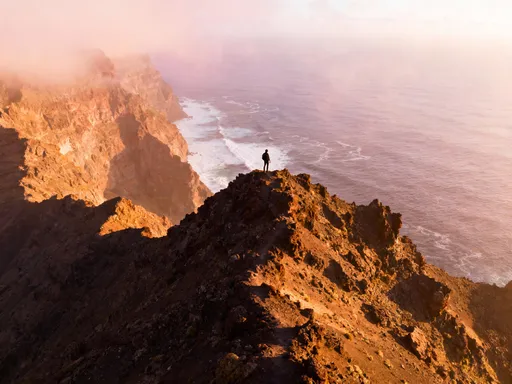
Imagine trading crowded city life for volcanic trails that wind into the clouds, coastlines where waves crash against ancient lava fields, and villages so quiet you can hear your own breath. The Canary Islands aren’t just another beach destination — they’re a playground for explorers. I went looking for adventure, and ended up discovering a side of Spain most travelers never see. From sunrise hikes to hidden coves, this is real, raw island life. With every step off the paved path, the islands reveal a deeper rhythm — one shaped by fire, wind, and time. This is not about luxury resorts or crowded sunbathing spots. It’s about feeling the crunch of volcanic gravel underfoot, watching the mist roll through laurel forests, and standing beneath skies so clear, the Milky Way feels within reach. The Canary Islands invite you not to observe, but to move, to explore, and to connect.
The Canary Islands Beyond the Brochure
The Canary Islands are often marketed as a sun-and-sand escape, where palm-lined beaches and all-inclusive resorts dominate the postcard image. Yet beyond the coastal strips lies a world few take the time to discover — a landscape forged by volcanic fire, sculpted by Atlantic winds, and alive with ecological contrasts. These islands, located off the northwest coast of Africa but politically part of Spain, are not just geographically unique; they are experientially transformative. From the snow-capped summit of Mount Teide to the misty cloud forests of Garajonay, the archipelago offers dramatic shifts in terrain and climate across mere kilometers. This is not a destination best seen from a lounge chair. It is one best experienced with boots on the ground and curiosity as your compass.
What sets the Canaries apart is their raw, untamed character. While many tropical destinations have been smoothed by mass tourism, much of the archipelago remains protected under national parks and UNESCO biosphere reserves. The scent of pine in Anaga, the echo of waves in a sea cave on La Graciosa, the silence of a high-altitude caldera at dawn — these are moments that cannot be replicated in a hotel pool. The islands reward those who venture beyond the airport transfer buses and tourist shuttles. Here, exploration is not an optional add-on; it is the essence of the experience. Whether hiking a centuries-old cobbled path or paddling through a secluded bay, the Canary Islands offer a rare opportunity to engage with nature in its most authentic form.
This journey is not about ticking off landmarks. It is about slowing down, tuning in, and allowing the landscape to speak. The trails tell stories of shepherds and farmers, of eruptions and rebirth, of isolation and resilience. The villages, perched on cliffs or nestled in ravines, hold traditions passed down through generations — from goat cheese making to hand-woven baskets. To travel here with intention is to become part of a living geography, where every mountain pass and coastal inlet offers not just a view, but a revelation.
Why Exploration Matters in the Canaries
The Canary Islands are a natural laboratory of geological and ecological diversity. Born from volcanic activity millions of years ago, each island has evolved its own distinct identity, shaped by elevation, exposure to trade winds, and isolation. This means that within a single day, a traveler can experience conditions ranging from alpine to subtropical. In Tenerife, for example, it is possible to begin a hike in a pine forest shrouded in mist, climb above the clouds to a lunar-like summit, and descend into a banana plantation warmed by tropical sun — all before lunch. This dramatic variety is not just visually stunning; it deepens the traveler’s understanding of how landscapes shape cultures, economies, and ways of life.
Active exploration — hiking, cycling, swimming, kayaking — allows visitors to fully appreciate this complexity. Unlike passive sightseeing, movement through the terrain creates a bodily awareness of change: the shift in air temperature as you descend a ravine, the texture of volcanic sand under bare feet, the sound of wind funneled through a basalt canyon. These sensory inputs form a richer, more lasting memory than any photograph. Studies in environmental psychology suggest that physical engagement with nature enhances emotional well-being and cognitive clarity. In the Canaries, where protected areas cover over 40% of the land, this connection is not only possible — it is encouraged.
Moreover, the islands’ compact size makes exploration efficient and rewarding. Distances between contrasting ecosystems are short, and well-maintained trail networks connect remote areas to accessible starting points. The Camino de Santiago may draw pilgrims across northern Spain, but the Canaries offer their own pilgrimage routes — quiet footpaths that link mountain villages, ancient water mills, and hidden chapels. These trails are not just recreational; they are cultural arteries, preserving centuries-old routes used by locals for trade and travel. To walk them is to participate in a living history, one that continues to shape island identity.
Choosing the Right Island for Your Adventure
With seven main islands, each offering a different character, choosing where to explore can feel overwhelming. The key is to align your interests with the island’s natural strengths. Tenerife, the largest and most visited, is ideal for hikers seeking challenge and variety. Its centerpiece, Mount Teide — a 3,718-meter stratovolcano and Spain’s highest peak — dominates the interior. The Teide National Park, a UNESCO World Heritage Site, features otherworldly lava formations, sulfur vents, and panoramic views stretching across the Atlantic. But beyond the summit, Tenerife boasts deep ravines like Barranco de Masca, laurel forests in Anaga Rural Park, and coastal trails that cling to cliffs above turquoise waters.
La Palma, known as “La Isla Bonita,” is a paradise for stargazers and nature lovers. Designated a UNESCO Starlight Reserve, its skies are among the clearest in the world, making nighttime astronomy a highlight. By day, the island offers lush greenery, dramatic waterfalls, and the Caldera de Taburiente, a massive erosion crater over ten kilometers wide. Trails here wind through pine forests and volcanic craters, often with minimal crowds. For travelers seeking solitude and serenity, La Palma delivers an almost meditative experience.
Lanzarote, shaped by eruptions in the 18th and 20th centuries, looks like a Martian landscape. The Timanfaya National Park preserves vast fields of solidified lava, where geothermal demonstrations show how hot the earth still is beneath the surface. This island is perfect for cycling, with smooth roads winding through volcanic badlands and coastal plains. Artists like César Manrique have celebrated its stark beauty, integrating architecture with nature in ways that honor rather than dominate the land.
Fuerteventura, by contrast, is defined by wind and sand. Its long, sweeping dunes and consistent trade winds make it a global hotspot for kitesurfing and windsurfing. But beyond the beaches, the island has a rugged interior of volcanic hills and abandoned villages, ideal for off-road hiking and cultural discovery. Gran Canaria offers a microcosm of climates, from desert-like south shores to the cool, forested peaks of the interior. La Gomera and El Hierro, the smallest and most remote, are sanctuaries for slow travel, where walking trails descend into misty ravines and local traditions remain deeply rooted.
Unforgettable Hiking Experiences Across the Archipelago
Hiking is the most direct way to experience the soul of the Canary Islands. Trails here are not manicured boardwalks but ancient paths worn by centuries of use, often following old mule routes or water channels. One of the most iconic hikes is the descent into Masca Gorge on Tenerife. Starting in the picturesque village of Masca, perched at 650 meters, the trail winds down through red-rock cliffs and narrow passages, eventually emerging at a secluded beach accessible only by foot or boat. The sense of isolation is profound, and on clear days, the view of the Atlantic stretching to the horizon is unforgettable. Hikers should be prepared for steep sections and loose gravel, but the effort is rewarded with a feeling of true discovery.
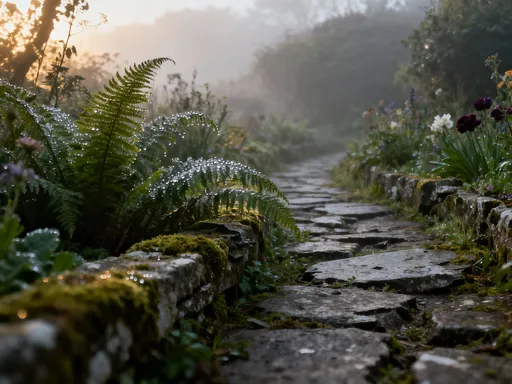
On La Gomera, the island of whispers due to its unique whistled language, the Los Tiles cloud forest offers a completely different atmosphere. Part of Garajonay National Park, a UNESCO site, this evergreen forest is cloaked in mist for much of the year, creating a mystical, almost primeval environment. Walking through the laurel trees, where moss drapes from branches and ferns carpet the ground, feels like stepping into another era. The network of trails here is well-marked and suitable for all levels, but the experience is anything but ordinary. Birdsong echoes in the fog, and the occasional sighting of a rare bird, like the Gomera green woodpecker, adds to the sense of wonder.
In Lanzarote, the Ruta de los Volcanes offers a stark contrast. This 14-kilometer trail cuts through the heart of Timanfaya National Park, guiding hikers across fields of black lava, past volcanic cones, and through tunnels formed by flowing magma. The landscape is silent and surreal, with little vegetation and an eerie stillness broken only by the wind. Park rangers accompany groups to ensure safety and provide context, explaining how the 1730-1736 eruptions reshaped the island. The experience is both humbling and awe-inspiring, a reminder of nature’s power and patience.
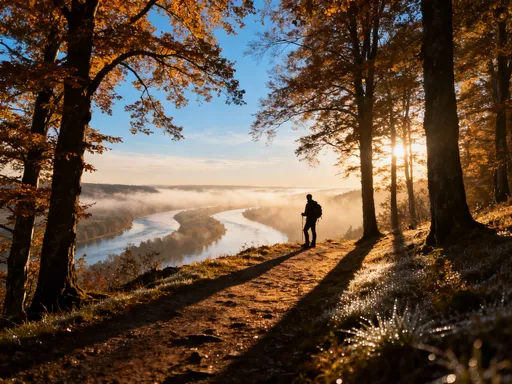
Regardless of the island, preparation is essential. Weather can change quickly, especially at higher elevations, and trails may be exposed to sun and wind. Hikers should carry at least two liters of water, wear sturdy footwear with good grip, and use sun protection. Many trails begin early in the morning to avoid midday heat, and starting at dawn often means witnessing sunrise from a summit — a moment of quiet beauty that stays with you long after the hike ends.
Water Adventures That Take You Off the Beaten Path
The Canary Islands are surrounded by some of the clearest waters in the Atlantic, shaped by volcanic geology and protected marine zones. Snorkeling and diving reveal underwater landscapes as dramatic as those on land — submerged lava tubes, rocky reefs teeming with fish, and seagrass meadows that serve as nurseries for marine life. In the clear coves of La Restinga on El Hierro, snorkelers can glide above volcanic sandbanks and spot damselfish, wrasses, and even the occasional octopus hiding in crevices. The water’s transparency, often exceeding 30 meters of visibility, makes every dive a visual feast.
For those seeking a more meditative experience, stand-up paddleboarding at sunrise offers a unique perspective. Gliding across calm waters near Los Gigantes in Tenerife or along the coast of Fuerteventura, paddlers can watch the cliffs turn golden in the morning light and listen to the rhythm of their own strokes. It is a peaceful way to connect with the sea, requiring only balance and breath. Many local operators offer guided tours that include marine education, teaching participants about local species and conservation efforts.
Scuba diving takes explorers even deeper. Near Lanzarote, the underwater volcanic formations create dramatic drop-offs and caves, home to groupers, moray eels, and angel sharks. On La Palma, divers can explore the “Cueva Amarilla,” a yellow-lit cavern formed by lava flow, where light filters through cracks in the rock. These sites are not just beautiful; they are ecologically significant. The Canary Islands’ marine reserves, such as the Parque Marino de Las Palmas, protect fragile ecosystems from overfishing and pollution. Responsible tour operators follow strict guidelines to minimize impact, using mooring buoys instead of anchors and limiting group sizes.
Encounters with wildlife are possible but never guaranteed — and that is part of the magic. Swimming near a school of rays or spotting a loggerhead turtle gliding through the blue is a moment of pure serendipity. These experiences remind us that we are guests in their world. Travelers are encouraged to follow eco-friendly practices: using reef-safe sunscreen, avoiding touching coral or rocks, and never feeding marine animals. By respecting these rules, visitors help preserve the very beauty they come to see.
Cultural Encounters Through Active Travel
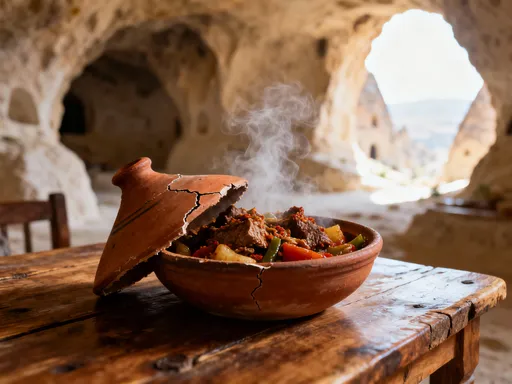
Exploration in the Canary Islands is not just about landscapes; it is also a gateway to culture. When travelers move slowly through the terrain, they naturally encounter local life in its most authentic form. After a long hike in Teno Rural Park, a visit to a roadside stall in the village of Tamaduste might lead to a taste of gofio — a traditional flour made from roasted grains, often mixed with water or milk. In a family-run restaurant in Vilaflor, hikers can try papas arrugadas — small, salt-crusted potatoes served with mojo sauce — a dish that has sustained islanders for generations.
On La Palma, visiting a finca — a small farm — offers insight into traditional agriculture. Here, farmers cultivate bananas, avocados, and malvasía grapes used in the island’s famous sweet wine. Many welcome visitors for tours, explaining how they work with the volcanic soil and terraced slopes to grow crops without heavy machinery. These interactions are not staged performances; they are genuine exchanges between hosts and curious travelers. Children might offer a taste of fresh fruit, and elders might share stories of past eruptions or family migrations.
Markets in towns like Santa Cruz de La Palma or Agüimes on Gran Canaria are also cultural touchstones. Strolling through stalls piled with cheeses, spices, and handmade crafts, visitors engage with the rhythms of daily life. A woman selling almogrote — a spicy spread made from cheese, peppers, and garlic — might explain how her grandmother taught her the recipe. These moments of connection, born from movement and curiosity, create memories that last far longer than souvenirs.
The Canary Islands have a deep sense of regional pride. Islanders speak of their tierra — their land — with reverence, aware of its fragility and beauty. By traveling actively and respectfully, visitors honor that connection. They are not just consuming a destination; they are participating in its ongoing story.
Practical Tips for an Explorer’s Journey
Planning an exploratory trip to the Canary Islands requires thoughtful preparation. While infrastructure is modern and reliable, the remote nature of many trails and villages means self-sufficiency is key. The public bus system, especially on Tenerife, Gran Canaria, and Lanzarote, is efficient and connects major towns to trailheads. However, schedules may be less frequent on weekends or in rural areas, so checking timetables in advance is essential.
Navigation tools are critical. While many trails are well-marked with color-coded signs, downloading offline maps via apps like Wikiloc or Maps.me ensures you won’t lose your way in areas with poor signal. The Cabildo (island council) websites provide updated trail conditions, including closures due to weather or maintenance. Checking these before departure can prevent disappointment and ensure safety.
Packing wisely makes a difference. The islands’ microclimates mean that temperatures can vary widely in a single day. Layers are recommended — a light jacket for early mornings, a breathable shirt for midday, and a windbreaker for exposed ridges. A wide-brimmed hat, sunglasses, and high-SPF sunscreen protect against intense UV exposure, especially at higher elevations. Footwear should be sturdy, with ankle support for rocky or uneven terrain. A refillable water bottle, snacks, and a small first-aid kit complete the essentials.
Respect for nature is non-negotiable. The “leave no trace” principle applies across the archipelago. This means packing out all trash, staying on marked paths to prevent erosion, and avoiding picking plants or disturbing wildlife. Many areas are protected under Natura 2000, a European network of conservation sites, and fines for violations can be significant. Additionally, small villages may have limited services — no ATMs, sporadic Wi-Fi, or early closing times. Carrying cash and planning meals in advance helps avoid inconvenience.
Rediscover the Joy of Going Further
The Canary Islands have a quiet power to transform the way we travel. They remind us that adventure does not require distant continents or extreme risks. It can be found in the crunch of volcanic rock underfoot, the scent of pine after rain, the warmth of a shared meal in a mountain village. These islands do not offer easy entertainment; they offer meaningful engagement. They ask us to move, to pay attention, to listen.
In a world where convenience often trumps depth, the Canaries stand as a counterpoint. They invite us to trade comfort for curiosity, passivity for participation. Whether hiking through a cloud forest, paddling at dawn, or sharing stories with a local farmer, the experience is richer for the effort. It is not about conquering nature, but about becoming part of its rhythm.
So step off the beaten path. Let the trail guide you not just to a destination, but to a different way of being. The wild beauty of the Canary Islands is waiting — not in brochures, but in the wind, the rock, the sea, and the quiet moments between steps. Let curiosity lead the way.