You Won’t Believe These Secret Cornish Corners I Found
Cornwall isn’t just about rugged coastlines and pasties—it’s a place where hidden worlds unfold behind stone walls and down narrow lanes. I went searching for something beyond the postcard views, and stumbled upon private, theme-rich corners most travelers miss. From forgotten gardens to tucked-away studios, these spots aren’t on every map, but they hold the soul of the region. If you're craving authenticity over crowds, let me take you through the side of Cornwall that feels like a well-kept secret.
The Allure of Private Cornwall
Traveling through Cornwall often begins with its celebrated landmarks—St Ives’ art-filled lanes, the dramatic cliffs of Land's End, or the maritime charm of Falmouth. Yet, beyond these well-trodden destinations lies a quieter, more intimate Cornwall—one shaped not by guidebooks but by generations of local custodianship. These lesser-known spaces, often privately owned or maintained, offer a rare kind of connection. They invite visitors not just to observe, but to experience the rhythm of daily life, where time moves with the tides and traditions are passed down like heirlooms.
What sets these hidden corners apart is their sense of intimacy and intention. Unlike commercial attractions designed for volume, these spaces are curated with care—whether it’s a walled garden nurtured for decades or a converted barn transformed into a weaving studio. They reflect personal passions rather than profit margins. This distinction matters. When travelers step into such places, they aren’t merely sightseeing; they’re engaging with stories, crafts, and landscapes that have evolved slowly, authentically, and with deep respect for their surroundings.
Privacy enhances this experience. Without the pressure of crowds, visitors can pause, listen, and absorb. The sound of wind through coastal grasses, the scent of salt and wild thyme, the sight of a heron lifting from a tidal creek—these details become vivid in stillness. There’s a gentleness to these moments, a contrast to the hurried pace of mainstream tourism. In choosing to explore private Cornwall, travelers trade spectacle for substance, exchange checklists for contemplation, and discover that the most memorable journeys are often the quietest ones.
A Hidden Garden Where Time Stands Still
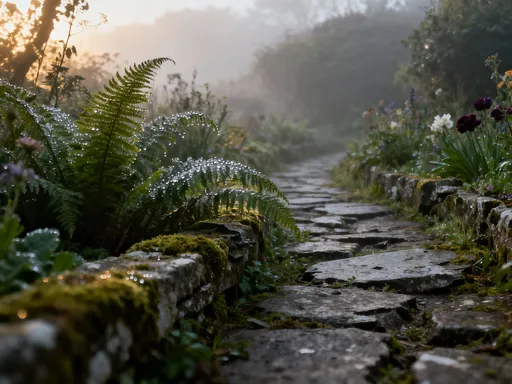
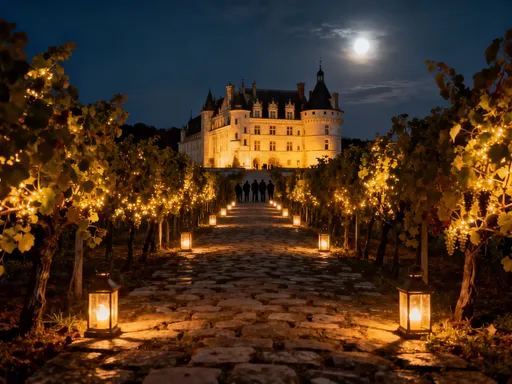
Nestled in a sheltered valley, accessible only by a winding lane marked with an unassuming stone post, lies a garden that feels suspended in time. Moss-covered walls enclose a world of climbing roses, heritage apple trees, and winding paths lined with ferns and foxgloves. This is not a grand estate open daily to the public, but a private garden occasionally shared through local open-days programs or by invitation. Its charm lies in its imperfection—vines spilling over broken steps, stone benches softened by lichen, and a pond where water lilies drift undisturbed.
Such gardens are more than beautiful spaces; they are living archives of Cornwall’s horticultural legacy. The region’s mild, maritime climate has long supported lush growth, allowing exotic species from South America and the Himalayas to thrive alongside native flora. In the 19th century, Cornish gardeners pioneered techniques for cultivating tender plants in cool, damp conditions, using sheltered microclimates and hand-built walls to create pockets of warmth. Today, these traditions endure in hidden corners where dedicated gardeners continue to experiment, preserve, and share.
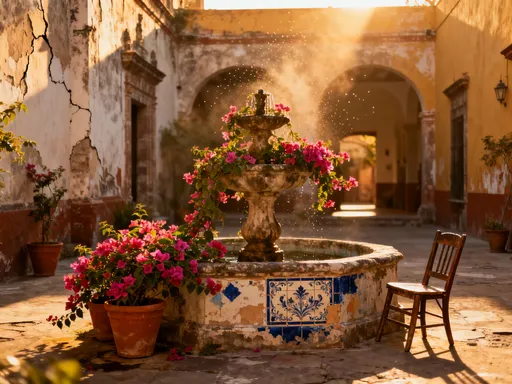
Walking through this garden feels like stepping into a different era. There’s no signage explaining plant names, no café nearby, no souvenir shop. Instead, there’s a sense of discovery—the thrill of turning a corner and finding a hidden arbor draped in wisteria, or a stone fountain half-buried in ivy. Visitors are encouraged to move slowly, to sit on a bench and simply be. It’s a rare luxury in modern travel: the freedom to linger without expectation. For those who seek peace, beauty, and a touch of mystery, such gardens offer a profound sense of renewal.
These spaces also remind us of the importance of preservation. Many were neglected during the 20th century, their owners unable to maintain vast estates. The revival of places like the Lost Gardens of Heligan inspired a renewed appreciation for Cornwall’s horticultural heritage. Today, private gardeners, often working in partnership with local conservation groups, are restoring forgotten plots with quiet determination. Their efforts ensure that future generations can experience the magic of these green sanctuaries—places where nature and nurture intertwine in quiet harmony.
Artisan Studios: Creativity in Quiet Corners
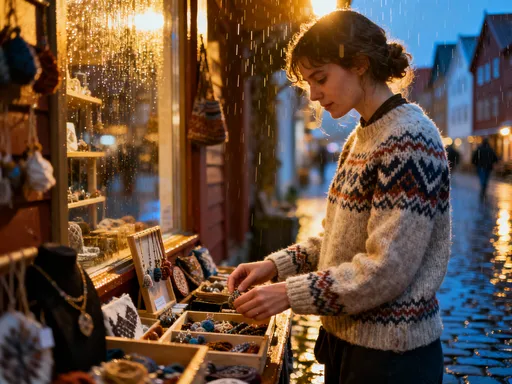
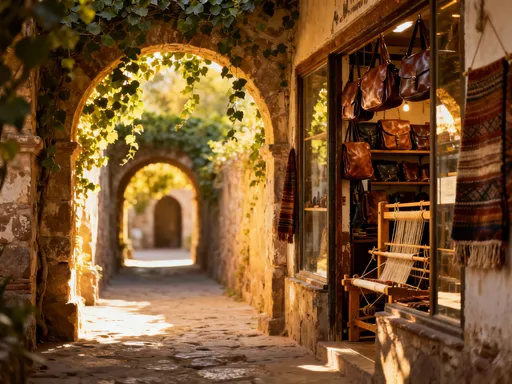
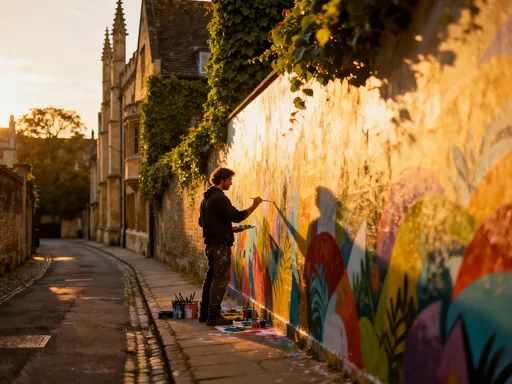
Scattered across Cornwall’s villages and coastal inlets are small studios where craftsmanship thrives in near-secrecy. These are not glossy galleries in tourist centers, but working spaces tucked into converted sheds, old boathouses, or stone cottages with sea views. Here, potters shape clay with hands stained from years of work, glassblowers coax molten glass into delicate forms, and weavers create textiles using patterns passed down through generations. These artisans are not performing for visitors—they are working, creating, and often welcoming guests into their process with quiet generosity.
One such studio, perched on a cliff near Zennor, is run by a ceramicist who draws inspiration from the sea. Her glazes mimic the colors of tidal pools—deep greens, iridescent blues, and sandy beiges. Visitors can watch her throw pots on a kick wheel, listen as she explains how local clay influences texture, or even try their hand at shaping a small piece. These hands-on experiences are not staged demonstrations; they are genuine invitations to engage with the craft. The resulting pieces—mugs, bowls, vases—carry the imprint of both maker and place, becoming more than souvenirs, but tokens of connection.
What makes these studios special is their authenticity. They are not designed to impress, but to function. Tools hang within reach, shelves are cluttered with works in progress, and natural light floods through old windows. The atmosphere is one of focused calm, a rhythm built on repetition and refinement. For visitors, stepping inside feels like being let in on a secret—the chance to witness creativity in its rawest, most honest form.
Supporting these artisans means more than buying a beautiful object; it means sustaining a way of life. Many rely on direct sales to survive, bypassing commercial galleries and online marketplaces. Purchasing a hand-thrown bowl or a handwoven scarf ensures that these crafts continue, that skills are not lost to time. It also fosters a deeper travel experience—one rooted in exchange, appreciation, and mutual respect. In a world of mass production, these studios stand as quiet acts of resistance, celebrating slowness, individuality, and the enduring power of making by hand.
Coastal Hideaways with a Story
While Cornwall’s popular beaches draw surfers and sun-seekers, its true coastal magic often lies in the quieter, lesser-known coves—places reached by footpaths, known only to locals, or accessible through personal connections. One such spot, hidden behind a rise of gorse-covered dunes, is a cluster of restored fishing cabins overlooking a sheltered inlet. Once used by lobster fishers, these cabins have been carefully renovated to preserve their original character—whitewashed walls, wooden shutters, and roofs of local slate. They are not advertised on mainstream booking sites, but shared through word of mouth or community networks.
Staying in one of these cabins is an immersion in coastal life. Mornings begin with the cry of oystercatchers and the gentle lap of waves against stone. The air carries the briny scent of seaweed and the faint tang of woodsmoke from a morning fire. There’s no Wi-Fi, no television—just books, binoculars, and a kettle for tea. Meals are simple: fresh crab from the harbor, crusty bread, and apples from a nearby orchard. Evenings are spent watching the sky turn gold and purple over the water, the only sound the distant call of gulls.
These hideaways are more than retreats; they are gateways to deeper understanding. Without the distractions of modern life, visitors become attuned to the natural world—the tides, the weather, the movements of birds and fish. They learn how to read the sea, how to find periwinkles in rock pools, how to listen for the wind’s warning. This kind of knowledge is not taught in guidebooks; it is absorbed through presence, through time spent in one place.
Many of these coastal spots are family-owned, passed down through generations. They carry stories—of storms weathered, of children’s laughter echoing in summer, of quiet winters spent mending nets. To be invited into such a space is a privilege, a sign of trust. It also comes with responsibility: to respect the land, to leave no trace, to honor the privacy of those who call these places home. For travelers willing to slow down and listen, these hideaways offer not just beauty, but belonging.
Themed Retreats: Where Design Meets Solitude
In recent years, Cornwall has seen the rise of boutique accommodations that blend thoughtful design with deep connection to place. These are not ordinary holiday rentals, but carefully conceived retreats built around a theme—be it maritime history, spiritual quiet, or ecological sustainability. One such example is a converted lighthouse on the Lizard Peninsula, where guests climb a spiral staircase to a circular bedroom with 360-degree views of the sea. Another is a former Methodist chapel in a quiet village, transformed into a serene sanctuary with stained-glass windows, exposed stone walls, and a wood-burning stove.
What defines these retreats is their intentionality. Every detail—from the choice of materials to the placement of windows—has been considered to enhance the experience of solitude and reflection. Natural light is maximized, views are framed like paintings, and furnishings are locally sourced or handmade. Some feature eco-pods nestled in woodland clearings, powered by solar panels and heated by biomass boilers. Others offer open-air baths overlooking the ocean, allowing guests to soak under the stars. These are not just places to sleep, but spaces designed to shift perspective.
Booking such a retreat requires planning. Many are operated by small businesses or individuals who prioritize quality over quantity. Availability is often limited, especially during peak seasons, and reservations may need to be made months in advance. However, the investment is often worth it. These stays offer more than comfort; they provide a chance to live differently, even if only for a few days. In a converted barn with underfloor heating and a library of poetry, or a cliffside cabin with a telescope for stargazing, guests find space to breathe, to think, to reconnect with themselves.
Accessibility varies. Some retreats are remote, requiring a car and a willingness to navigate narrow lanes. Others are within walking distance of village amenities. What they share is a commitment to authenticity and sustainability. Many owners use renewable energy, grow their own vegetables, or partner with local suppliers. By choosing such accommodations, travelers support a model of tourism that values care over convenience, and place over profit.
Finding the Unlisted: How to Discover These Spaces
Discovering Cornwall’s hidden corners does not require luck or insider status, but a shift in approach. The key is to move beyond algorithms and mainstream listings, and engage with the region on a human level. One of the most effective ways is conversation. A chat with a vendor at a farmers’ market, a question asked at a village post office, or a friendly exchange at a local café can lead to unexpected invitations. Locals often know of open gardens, studio days, or seasonal events not advertised online.
Another reliable method is joining guided experiences that go beyond the surface. Organizations like the National Trust and local heritage groups occasionally offer behind-the-scenes tours of private estates, historic homes, or conservation projects. These are not mass-market excursions, but small-group visits led by knowledgeable guides. They provide access to spaces otherwise closed to the public, along with insights into their history and significance.
Community notice boards—both physical and digital—can also be goldmines of information. Posted in village halls, libraries, or independent shops, they list upcoming open gardens, craft fairs, and workshops. Regional platforms such as Visit Cornwall’s offbeat listings or the Cornwall Artists Directory offer curated guides to lesser-known studios, retreats, and experiences. These resources are vetted and trustworthy, ensuring that travelers respect boundaries while still finding authentic encounters.
It’s important to remember that privacy is sacred in these communities. Many of the spaces described are private homes or working studios, not public attractions. Visitors should never trespass, assume access, or share exact locations without permission. The goal is not to turn hidden gems into viral hotspots, but to experience them with humility and gratitude. By traveling mindfully—asking politely, respecting rules, and leaving no trace—visitors help preserve the very qualities that make these places special.
Why These Places Matter Beyond the Photo
In an age of instant sharing and curated itineraries, the value of Cornwall’s hidden corners extends far beyond their aesthetic appeal. These spaces—gardens, studios, cabins, retreats—are custodians of local identity. They embody a way of life rooted in craftsmanship, stewardship, and connection to place. When travelers seek them out, they are not just enriching their own journeys; they are supporting a vision of tourism that honors rather than overwhelms.
Over-tourism threatens the delicate balance of Cornwall’s coastal communities. Popular destinations can become overcrowded, straining infrastructure and diluting authenticity. In contrast, the quiet corners described here thrive on low volume and high respect. They offer an alternative model—one where tourism sustains rather than depletes, where visitors become allies in preservation rather than passive consumers.
These spaces also nurture emotional well-being. In a world of constant noise and urgency, they provide sanctuary. They remind us that beauty does not require spectacle, that meaning is found in slowness, and that connection—whether to nature, to craft, or to community—is the true reward of travel. For women between 30 and 55, many of whom juggle family, work, and personal aspirations, such experiences can be profoundly restorative. They offer space to reflect, to create, to simply be.
Ultimately, the secret to discovering Cornwall’s soul lies not in chasing destinations, but in cultivating presence. It means choosing depth over checklists, curiosity over convenience, and respect over entitlement. It means listening to a potter’s story, walking a garden path with care, or watching the sunrise from a quiet cove. These moments may never make it onto a postcard, but they linger in the heart. And perhaps that is the greatest gift of all: not just seeing Cornwall, but feeling it.